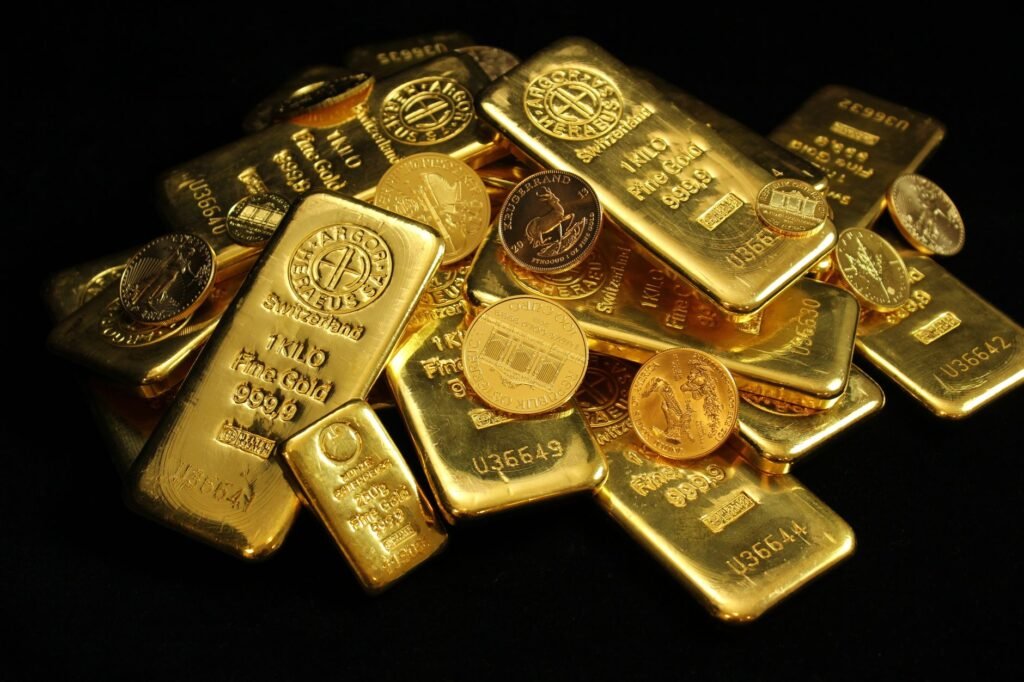

In 2026, many investors are re-evaluating traditional asset classes amidst an evolving global economic landscape. The question of what role gold plays in a diversified portfolio remains a pertinent one, particularly as market structures adapt to ongoing inflationary pressures, shifting interest rate policies, and persistent geopolitical uncertainties. Historically revered as a store of value and a hedge against economic instability, gold’s functions in a modern portfolio context continue to be multifaceted, offering potential benefits beyond mere capital appreciation.
Gold as a Time-Tested Store of Value and Inflation Hedge
Gold has long been considered a reliable store of value, especially during periods when traditional currencies or financial assets face instability. This perception stems from its intrinsic value and scarcity, making it less susceptible to inflationary pressures that can erode the purchasing power of fiat money. As of 2026, with some economies still grappling with the lingering effects of elevated inflation experienced in prior years and central banks navigating complex monetary policies, the appeal of gold as an inflation hedge remains significant.
For centuries, gold has often maintained its value when other assets have faltered. While not a perfect correlation, many historical analyses suggest gold has performed favorably during times of rising consumer prices, helping to preserve wealth for some investors. This characteristic makes it a potential component for those seeking to protect their portfolio’s long-term purchasing power in an environment where economic stability cannot be taken for granted.
Diversification and Risk Mitigation in 2026
One of the primary reasons some financial educators discuss including gold in a diversified portfolio is its potential for acting as a diversifier. Gold’s price movements often exhibit a low or inverse correlation with other major asset classes, such as stocks and bonds. This characteristic can be particularly valuable during periods of heightened market volatility or economic downturns, offering a potential counterbalance to losses in other parts of a portfolio.
In 2026, with global markets still reacting to various macro-economic and geopolitical events, portfolio diversification remains a crucial strategy for managing risk. The inclusion of an asset like gold, which tends to perform differently from equities or fixed income, may help to smooth out overall portfolio returns and reduce overall volatility. This isn’t to say gold is immune to price fluctuations, but its independent movement can be a stabilizing force for certain investors.
Geopolitical Uncertainty and Safe-Haven Appeal
Beyond economic factors, geopolitical events can significantly influence investor sentiment and market stability. In 2026, ongoing global tensions and regional conflicts contribute to an atmosphere of uncertainty. In such environments, gold often experiences increased demand as a
Disclaimer: This article is provided for general informational and educational purposes only and does not constitute financial, investment, trading, or legal advice. Gainsium is not a registered investment advisor. Markets are volatile and past performance does not guarantee future results. Readers should conduct their own research and consult a licensed financial advisor before making any investment decisions.