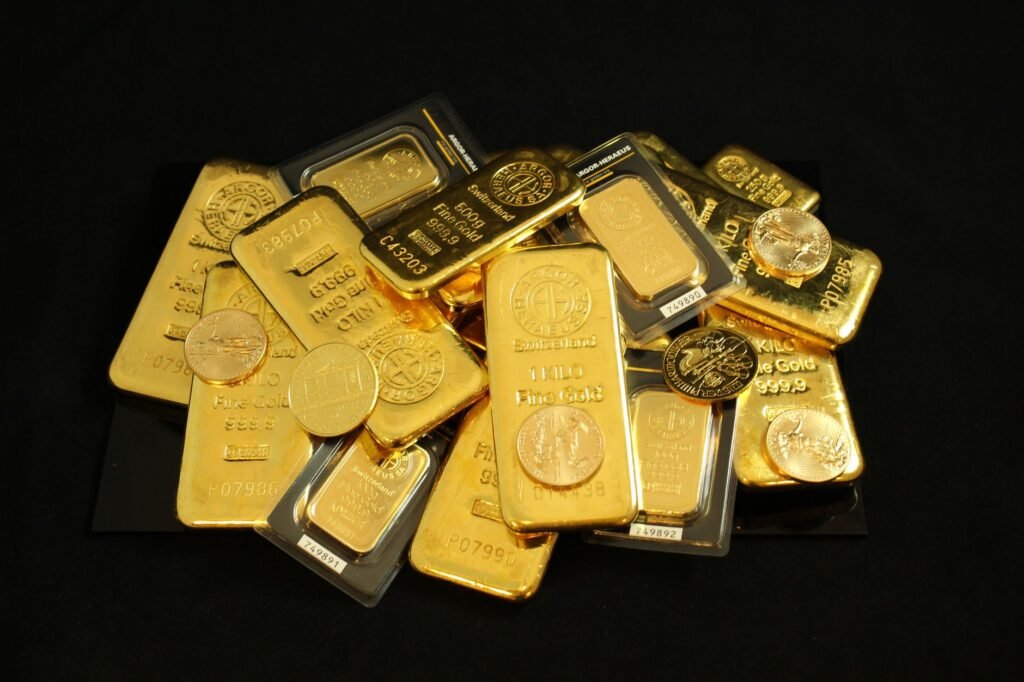

In an increasingly interconnected yet often volatile world, traditional safe-haven assets remain a critical focus for market participants. As 2026 unfolds, geopolitical instability significantly influences gold demand, reinforcing its long-standing appeal during uncertainty. This article explores the mechanisms through which global tensions drive capital towards gold, examines historical correlations, and considers current market dynamics shaping its role in the present financial landscape.
Understanding Gold’s Safe-Haven Appeal
Gold has long been revered as a reliable store of value, particularly when other assets falter. This reputation is built on several intrinsic characteristics that differentiate it from fiat currencies and traditional financial instruments.
The Intrinsic Value Proposition
Unlike paper money or government bonds, gold possesses no counterparty risk. Its value is not dependent on the solvency of a government or corporation. This tangibility and independence make it a compelling choice when trust in financial systems or sovereign entities wanes. Historically, cultures across millennia have valued gold, lending it a universal acceptance that transcends national borders and political ideologies.
Historical Resilience During Crises
Throughout history, gold has often demonstrated resilience during periods of significant economic and political turmoil. From major financial crises to regional conflicts, patterns have emerged where gold’s price performance has diverged from that of riskier assets like equities. When fear and uncertainty grip markets, capital often flows towards assets perceived as stable and secure, with gold frequently being a primary beneficiary of this ‘flight to quality.’ This behavior underscores its role not just as an investment, but as a strategic reserve for both individuals and central banks.
Mechanisms of Geopolitical Influence on Gold Demand
Geopolitical instability triggers a complex chain of reactions in global markets, many of which directly bolster gold’s appeal. Understanding these mechanisms is key to appreciating its safe-haven status.
Flight to Quality and Capital Preservation
Perhaps the most direct impact of geopolitical tensions is the ‘flight to quality.’ When escalating conflicts, political upheavals, or international disputes create widespread risk aversion, investors and institutions tend to divest from assets perceived as vulnerable – such as stocks in affected regions or currencies of politically unstable nations. This capital seeks refuge in assets considered safer, and gold, with its historical track record of stability, often receives a substantial influx. The primary motivation here is capital preservation, prioritizing the protection of wealth over potential growth.
Currency Devaluation and Inflationary Hedging
Geopolitical events can directly or indirectly lead to concerns about currency devaluation. Sanctions, trade wars, or widespread political instability can weaken a nation’s currency, eroding purchasing power. In such scenarios, gold serves as an alternative medium of exchange and a store of value that is not tied to any single fiat currency. Furthermore, geopolitical disruptions, particularly those affecting global supply chains or energy markets, can fuel inflationary pressures. As the cost of living rises and the real value of money diminishes, gold’s historical ability to act as an inflation hedge becomes highly attractive, as its value tends to hold or even appreciate during periods of rising prices.
Central Bank Reserve Diversification
Beyond individual investors, central banks play a crucial role in the gold market. Nations hold significant foreign exchange reserves to maintain economic stability and facilitate international trade. During times of heightened geopolitical risk, central banks may increase their gold holdings to diversify their reserves away from traditional fiat currencies, particularly the U.S. dollar. This strategic diversification aims to reduce exposure to geopolitical leverage, protect against currency volatility, and add a universally accepted, tangible asset to their balance sheets. Reports in 2026 continue to highlight sustained central bank buying, reflecting ongoing global reserve rebalancing efforts in response to persistent uncertainties.
Geopolitical Landscape in 2026 and Gold Dynamics
As we navigate 2026, the global geopolitical landscape remains characterized by several persistent and emerging factors that continue to influence gold’s role as a safe haven.
Ongoing Global Uncertainties
The mid-2020s have seen a continuation of regional conflicts, heightened competition among major global powers, and significant electoral cycles in key economies. These factors create an environment of sustained unpredictability. For instance, ongoing conflicts in various regions continue to generate humanitarian concerns and ripple effects across commodity markets, driving demand for perceived safe assets. Similarly, upcoming elections in pivotal nations introduce policy uncertainty, which can prompt market participants to seek stability in gold.
Evolving Market Structure and Competing Safe Havens
While gold retains its traditional appeal, the financial landscape in 2026 includes a more complex array of assets. Digital assets, for example, are sometimes discussed as potential alternatives or complements to traditional safe havens. However, gold’s deep liquidity, historical precedent, and universal acceptance mean it maintains a distinct position. Its physical nature and established regulatory frameworks often provide a level of reassurance that newer asset classes may not yet fully offer, particularly during extreme market stress. Analysts in 2026 often observe that while digital assets may attract speculative interest, gold consistently draws capital during broad-based systemic concerns.
Current Market Dynamics
In 2026, the gold market is experiencing influences from multiple directions. Demand from both retail investors and institutional funds often surges during periods when headlines feature geopolitical escalations or significant economic policy shifts. Simultaneously, the interplay between the U.S. dollar, interest rate expectations, and inflation outlooks continues to shape gold’s price trajectory. While a stronger dollar or higher real interest rates can sometimes temper gold’s appeal, these factors are frequently overshadowed by a powerful flight-to-safety dynamic when geopolitical risks reach critical levels. Market participants are keenly observing central bank policy responses to inflation and economic growth, which are often complicated by global political events, further reinforcing gold’s hedging capabilities.
Key Considerations for Market Participants
For those considering gold’s role in a diversified financial approach, several factors warrant attention, especially within a geopolitically uncertain environment.
Diversification Benefits
Gold has historically demonstrated a low correlation with other major asset classes like stocks and bonds, particularly during downturns in the broader market. This characteristic makes it a valuable tool for portfolio diversification, potentially reducing overall portfolio volatility. During periods of geopolitical stress, when traditional correlations might break down, gold can act as a ballast, offering a measure of protection against unexpected market shocks.
Liquidity and Volatility
The gold market is highly liquid, allowing for relatively easy buying and selling. However, it is important to recognize that gold prices can also exhibit volatility, particularly in response to rapidly evolving geopolitical events or significant shifts in monetary policy. While its long-term stability as a store of value is notable, short-term price movements can be substantial.
Interplay with Economic Factors
Gold’s performance is not solely driven by geopolitics. It also interacts with macroeconomic factors such as interest rates, inflation expectations, and the strength of the U.S. dollar. For example, higher real interest rates can increase the opportunity cost of holding non-yielding assets like gold, potentially dampening demand. Conversely, persistent inflation or a weakening dollar can enhance its attractiveness. Market observers often analyze these interconnected factors to gauge gold’s potential trajectory.
Conclusion
As 2026 progresses, geopolitical instability remains a potent catalyst for gold demand. Its foundational characteristics – tangible value, lack of counterparty risk, and historical performance during crises – consistently reinforce its status as a vital safe-haven asset. While the financial landscape continues to evolve, gold’s enduring appeal as a hedge against uncertainty, currency devaluation, and inflation ensures its ongoing relevance in a world grappling with complex and unpredictable global dynamics. Market participants are encouraged to consider these mechanisms and historical patterns when evaluating gold’s potential role within a broader financial strategy.
Disclaimer: This article is provided for general informational and educational purposes only and does not constitute financial, investment, trading, or legal advice. Gainsium is not a registered investment advisor. Markets are volatile and past performance does not guarantee future results. Readers should conduct their own research and consult a licensed financial advisor before making any investment decisions.