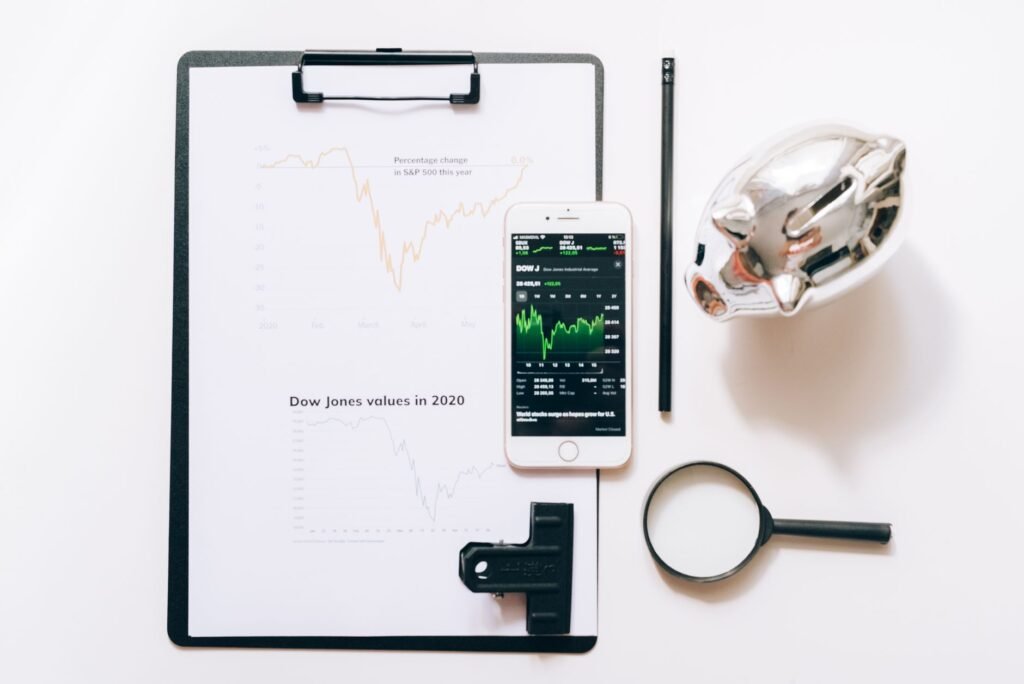

In 2026, understanding the intricate relationship between central bank policies and the price of gold remains crucial for anyone seeking to comprehend market dynamics. Central bank decisions, particularly those concerning interest rates and quantitative measures, exert a significant influence on gold’s valuation, acting through various economic channels such as inflation expectations, currency strength, and the overall investment landscape.
The Foundational Role of Gold in Monetary Environments
Gold has long been considered a timeless store of value, often viewed as a hedge against inflation and economic uncertainty. In 2026, as central banks worldwide navigate complex economic conditions, their policies directly shape the environment in which gold operates. When central banks implement policies that suggest future inflation or create economic instability, gold’s appeal as a safe haven asset tends to increase. Conversely, policies that promote strong economic growth and stable prices, coupled with attractive returns on other assets, can diminish gold’s allure.
Gold as a Hedge Against Inflation
A primary driver for gold’s demand is its perceived ability to preserve purchasing power during periods of rising inflation. When central banks, through expansive monetary policies, increase the money supply or signal tolerance for higher inflation, market participants often turn to gold. In 2026, central banks are carefully balancing the need to foster economic growth with the imperative to maintain price stability. Any perception of a central bank losing control over inflation can strengthen the argument for holding gold, even if inflation itself is moderating compared to previous years. The historical trend suggests that gold has often performed well when real interest rates (nominal rates minus inflation) are low or negative, as this reduces the opportunity cost of holding a non-yielding asset.
Interest Rates: The Opportunity Cost of Gold
One of the most direct ways central bank policies affect gold prices is through their manipulation of interest rates. Gold is a non-yielding asset, meaning it does not pay dividends or interest. Therefore, its attractiveness relative to interest-bearing assets changes significantly with policy rate adjustments.
Rising Rates and Gold’s Diminished Appeal
When central banks, like the U.S. Federal Reserve, implement monetary tightening by raising benchmark interest rates, the opportunity cost of holding gold increases. Higher interest rates make bonds, savings accounts, and other fixed-income instruments more attractive, as they offer better returns. This can divert capital away from gold, putting downward pressure on its price. In 2026, after a period where many major central banks tightened monetary policy to combat inflation, the market is closely watching for signs of rate stabilization or potential cuts. A sustained environment of higher interest rates would generally create headwinds for gold.
Falling Rates and Gold’s Enhanced Attractiveness
Conversely, when central banks pursue an accommodative monetary policy by cutting interest rates, the opportunity cost of holding gold decreases. Lower returns on interest-bearing assets make gold relatively more appealing as a store of value. This can encourage investors to reallocate funds towards gold. Should global economic growth falter in 2026, leading central banks to consider rate reductions, this environment could provide support for gold prices.
Quantitative Easing (QE) and Quantitative Tightening (QT)
Beyond traditional interest rate adjustments, central banks utilize unconventional monetary policies such as quantitative easing (QE) and quantitative tightening (QT), which also profoundly impact gold.
Quantitative Easing (QE) and Its Gold Implications
Quantitative easing involves a central bank purchasing large quantities of government bonds and other financial assets from the open market. This injects liquidity into the financial system, aims to lower long-term interest rates, and can signal a central bank’s commitment to supporting economic activity even at the risk of higher inflation. By expanding the money supply and potentially devaluing the currency, QE has historically been associated with increased demand for gold, as it reinforces gold’s role as a hedge against currency debasement and inflation. Should economic conditions in 2026 necessitate a return to QE by major central banks, this would likely be seen as a bullish factor for gold.
Quantitative Tightening (QT) and Its Counter-Effect
Quantitative tightening is the reverse process, where a central bank reduces its balance sheet by allowing previously purchased bonds to mature without reinvesting the proceeds, or by actively selling assets. This withdraws liquidity from the financial system, potentially pushing long-term interest rates higher and strengthening the currency. QT can exert downward pressure on gold prices by making interest-bearing assets more attractive and reducing inflationary expectations. In 2026, several central banks might still be engaged in or considering the continuation of QT strategies initiated in prior years, which represents a structural headwind for gold. The pace and scale of QT are critical factors for gold market participants to monitor.
Currency Strength and Gold’s Price Dynamics
Given that gold is primarily priced in U.S. dollars on global markets, the strength or weakness of the dollar, heavily influenced by central bank policies, plays a crucial role in gold’s valuation.
A Strong Dollar and Its Impact on Gold
When central bank policies, particularly those of the Federal Reserve, lead to a stronger U.S. dollar, gold typically becomes more expensive for holders of other currencies. This can reduce international demand for gold, thereby putting downward pressure on its dollar price. For instance, if the Federal Reserve maintains higher interest rates relative to other major central banks in 2026, this could bolster the dollar’s value, presenting a challenge for gold.
A Weak Dollar and Gold’s Potential Upside
Conversely, policies that weaken the U.S. dollar, such as significant interest rate cuts or renewed QE, tend to make gold cheaper for international buyers, potentially increasing demand and pushing its dollar price higher. A global environment where other major central banks are tightening faster than the Fed, or where the Fed signals more dovish policies, could lead to a weaker dollar and provide tailwinds for gold in 2026.
Global Economic Outlook and Geopolitical Influences in 2026
While central bank policies are a dominant factor, the broader economic outlook and geopolitical landscape in 2026 also interact with monetary policy to shape gold’s trajectory. Central banks react to these conditions, and their reactions, in turn, influence gold.
Economic Uncertainty and Safe-Haven Demand
Periods of heightened economic uncertainty, such as concerns over a global slowdown, financial market volatility, or geopolitical tensions, often lead to increased demand for safe-haven assets like gold. Central bank responses to such crises, which might include aggressive monetary easing, can amplify gold’s appeal. Conversely, a stable global economy with predictable growth could reduce the urgency for safe-haven allocations. Market participants in 2026 are continually assessing these intertwined factors.
The Role of Other Major Central Banks
It is important to remember that not only the Federal Reserve’s actions but also those of other major central banks—such as the European Central Bank (ECB), the Bank of England (BoE), and the Bank of Japan (BoJ)—collectively influence global liquidity, inflation expectations, and currency markets, all of which indirectly affect gold prices. Divergent monetary policy paths among these institutions can create complex dynamics for gold in 2026.
Conclusion: A Multifaceted Interplay
The price of gold in 2026 is a complex product of various interacting forces, with central bank monetary policies standing out as a primary determinant. Decisions on interest rates, the implementation or unwinding of quantitative easing, and their consequent impact on currency valuations and inflation expectations all play critical roles. For those observing the gold market, understanding the evolving stance of central banks provides essential context. While some analysts may offer forecasts, it is crucial to recognize that such projections are inherently subject to change based on economic data, geopolitical events, and unforeseen shifts in central bank strategy. Gold’s response to these policy shifts underscores its role not just as a commodity, but as a sensitive barometer of global monetary and economic confidence.
Disclaimer: This article is provided for general informational and educational purposes only and does not constitute financial, investment, trading, or legal advice. Gainsium is not a registered investment advisor. Markets are volatile and past performance does not guarantee future results. Readers should conduct their own research and consult a licensed financial advisor before making any investment decisions.