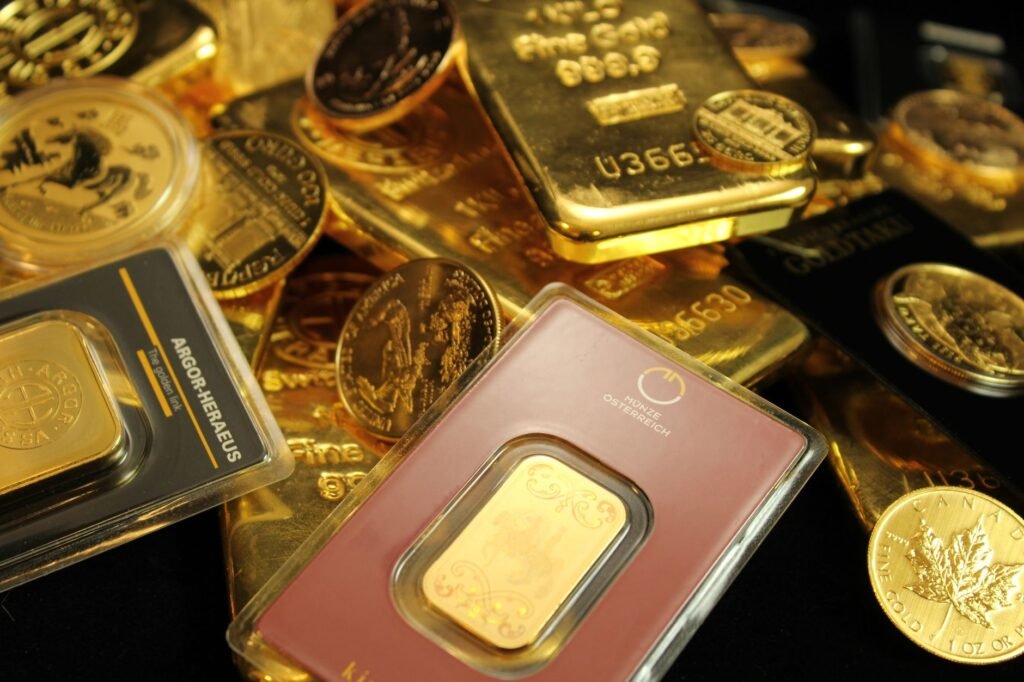

For investors considering precious metals in 2026, understanding the fundamental differences between gold and silver is crucial for informed decision-making. While both metals are often viewed as safe-haven assets and hedges against inflation, their market dynamics, demand drivers, and historical performance characteristics diverge significantly. This article will explore these key distinctions to help investors understand their potential roles within a diversified portfolio.
Historical Roles and Market Perceptions
Gold: The Traditional Store of Value
Gold has historically been revered as a universal currency and a quintessential store of value. Its allure stems from its rarity, durability, and immutable chemical properties. For centuries, gold has served as a monetary metal, a symbol of wealth, and a hedge against economic instability and currency devaluation. In 2026, this perception largely persists, with central banks globally maintaining significant gold reserves and individual investors often turning to gold during periods of geopolitical uncertainty or inflationary pressures. Its relatively stable price movements, compared to other commodities, contribute to its reputation as a safe-haven asset.
Silver: The Dual-Natured Metal
Silver, while also possessing a long history as a monetary metal, exhibits a more complex market profile due to its extensive industrial applications. Its price is often influenced by both its role as an investment asset and its demand as an industrial commodity. As of 2026, silver’s industrial utility, particularly in rapidly growing sectors like solar energy, electric vehicles, and electronics, means its price can be more sensitive to global economic growth and manufacturing output. This dual nature means that silver can behave differently than gold, sometimes correlating with industrial metals and other times with precious metals, depending on prevailing market conditions.
Supply, Demand, and Industrial Applications
Gold’s Scarcity and Investment Demand
Gold’s supply primarily comes from mining and recycling. While mining output can fluctuate, significant new discoveries are rare, contributing to its perceived scarcity. A substantial portion of global gold demand comes from investment (bars, coins, ETFs) and jewelry, with a smaller but significant amount used in technology and dentistry. In 2026, investment demand for gold continues to be a primary driver, influenced by interest rate expectations, inflation concerns, and the overall macroeconomic climate. Central bank buying has also remained a notable factor in recent years, reinforcing gold’s appeal as a reserve asset.
Silver’s Industrial Engine
Silver’s supply also originates from mining and recycling, but a significant amount is produced as a byproduct of mining other metals like copper, lead, and zinc. This can make its supply less responsive to silver-specific price changes. Crucially, industrial demand accounts for more than half of annual silver consumption. Key industrial uses include:
- Electronics: Conductors, switches, and contacts in various devices.
- Solar Energy: A critical component in photovoltaic cells.
- Electric Vehicles (EVs): Used in numerous electrical connections and components.
- Medical Applications: Antimicrobial properties in healthcare products.
As global economies increasingly focus on renewable energy and advanced technologies, as is evident in 2026, the industrial demand for silver is a powerful and growing market driver. This dependence on industrial activity can make silver’s price more volatile and responsive to economic cycles than gold.
Volatility and Investment Characteristics
Gold’s Relative Stability
Gold is generally considered less volatile than silver. Its primary role as a safe haven often means its price can exhibit an inverse correlation with equity markets during periods of economic stress. While gold prices do fluctuate, its movements tend to be more measured compared to silver. For some investors, gold represents a foundational element of a precious metals allocation, offering a degree of stability and long-term wealth preservation. Historically, during periods of heightened inflation, gold has often demonstrated its utility as a hedge, though its performance can vary depending on other macroeconomic factors.
Silver’s Higher Beta
Silver, often dubbed
Disclaimer: This article is provided for general informational and educational purposes only and does not constitute financial, investment, trading, or legal advice. Gainsium is not a registered investment advisor. Markets are volatile and past performance does not guarantee future results. Readers should conduct their own research and consult a licensed financial advisor before making any investment decisions.