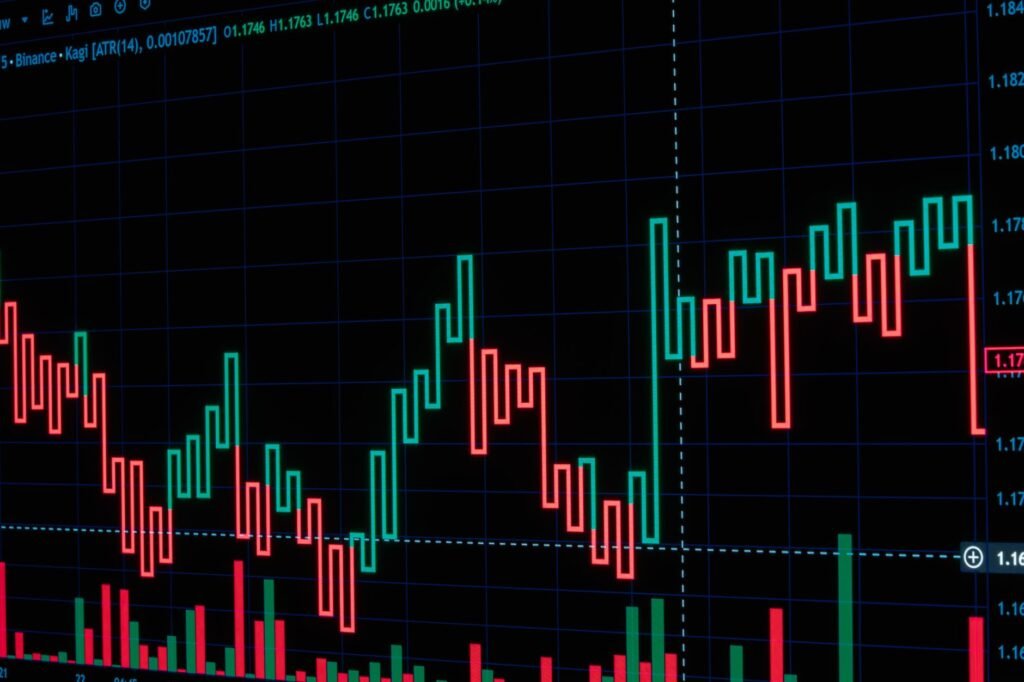

Day trading in 2026 presents unique opportunities and challenges, making robust risk management more critical than ever for traders seeking consistency and capital preservation. This article outlines seven fundamental risk management rules specifically tailored for day traders navigating today’s dynamic markets.
Understanding the 2026 Trading Landscape
The financial markets in 2026 continue to be shaped by a complex interplay of technological advancement, evolving macroeconomic conditions, and shifting investor sentiment. Artificial intelligence (AI) tools are increasingly integrated into market analysis, influencing both retail and institutional trading strategies. While these tools offer sophisticated data processing capabilities, the underlying principles of market dynamics, human psychology, and capital protection remain paramount.
Volatility, a consistent companion for day traders, has seen periods of ebb and flow driven by global economic policy decisions, geopolitical events, and corporate earnings reports. The prevalence of high-frequency trading and algorithmic strategies means markets can react with extreme speed, emphasizing the need for quick decision-making tempered by disciplined risk protocols. Effective risk management is not merely a safeguard against losses; it is a foundational element for achieving sustainable profitability in this fast-paced environment.
The 7 Essential Risk Management Rules
1. Define Your Risk Capital
Before engaging in any day trading activities, it is crucial to clearly define your risk capital. This refers to the amount of money an individual can afford to lose without it impacting their financial security or lifestyle. Day trading, by its nature, involves significant risk, and it is a common principle that only risk capital should be allocated to such ventures. Commingling trading funds with essential living expenses can lead to emotional decisions and amplified financial stress.
2. Implement Strict Position Sizing
Position sizing is arguably one of the most vital risk management rules. It dictates the amount of capital allocated to a single trade. A common guideline suggests risking only a small percentage of your total trading capital on any given trade—for instance, no more than 1% to 2%. This rule helps ensure that a series of losing trades does not decimate the trading account. Calculating position size involves considering the stop-loss level and the overall account balance, allowing traders to control their maximum potential loss per trade.
3. Utilize Stop-Loss Orders Religiously
A stop-loss order is an instruction to automatically close a trade if a security’s price reaches a predetermined level, limiting potential losses. For day traders, utilizing stop-loss orders on every trade is not merely advisable but essential. In the volatile 2026 markets, rapid price movements can occur, making manual exits challenging. Pre-setting a stop-loss order removes emotion from the exit decision and protects capital from unexpected adverse market shifts. It is also important to avoid widening stop-loss orders once a trade is active, as this compromises the initial risk assessment.
4. Maintain a Detailed Trade Journal
Consistent profitability in day trading often stems from learning and adaptation. A comprehensive trade journal allows traders to record every aspect of their trades, including entry and exit points, position size, setup type, market conditions, and the emotional state during the trade. Regularly reviewing this journal helps identify patterns in successes and failures, refine trading strategies, and pinpoint recurring behavioral biases. This analytical approach transforms trading from speculative gambling into a disciplined, data-driven endeavor.
5. Control Emotional Biases
Emotions such as fear, greed, hope, and overconfidence can significantly impair judgment and lead to costly trading errors. In 2026, with instant market data and social media influence, emotional trading can be amplified. Developing emotional discipline involves adhering strictly to a predefined trading plan, avoiding impulsive decisions, and stepping away from the screen when emotions run high. Recognizing and managing psychological biases is a continuous process that often distinguishes successful traders from those who struggle.
6. Adapt to Evolving Market Conditions
Market conditions are rarely static. What works in a trending market might fail in a choppy, range-bound environment. Day traders in 2026 must cultivate the ability to adapt their strategies as market dynamics shift. This involves paying attention to broader economic indicators, sector performance, and volatility levels. An adaptive approach means being willing to adjust position sizes, entry/exit criteria, or even take a break from trading when market conditions are unfavorable to a particular strategy. Flexibility, combined with strict adherence to risk parameters, is a powerful combination.
7. Embrace Continuous Education and Review
The financial markets are constantly evolving, and so too should a day trader’s knowledge base. Continuous education, whether through reputable financial news, market analysis resources, or peer discussions, helps traders stay informed about new tools, strategies, and regulatory changes in 2026. Regular review of one’s own performance, alongside studying market structure and historical patterns, fosters a growth mindset crucial for long-term success. The commitment to learning ensures that a trader’s skills and risk management techniques remain sharp and relevant.
Conclusion
For day traders in 2026, success is not solely about finding winning trades; it is fundamentally about disciplined risk management. By adhering to these seven essential rules—defining risk capital, strict position sizing, religious use of stop-loss orders, maintaining a detailed trade journal, controlling emotional biases, adapting to market conditions, and embracing continuous education—traders can significantly improve their odds of preserving capital and achieving consistent results in the demanding world of day trading. Remember, protecting your capital is the first step toward potential profitability.
Disclaimer: This article is provided for general informational and educational purposes only and does not constitute financial, investment, trading, or legal advice. Gainsium is not a registered investment advisor. Markets are volatile and past performance does not guarantee future results. Readers should conduct their own research and consult a licensed financial advisor before making any investment decisions.