
Gold is often considered a safe-haven asset and a store of value, attracting significant investor interest. However, its value is not solely derived from its investment appeal. A substantial portion of gold’s annual demand comes from its diverse industrial applications, ranging from sophisticated electronics to critical medical devices. Understanding these industrial demands is crucial for comprehending the metal’s overall market dynamics, and in 2026, several key factors are actively shaping these industrial requirements. This article will explore five significant influences on the industrial demand for gold in the current year.
The Dual Nature of Gold Demand
For centuries, gold has captivated humanity as both a symbol of wealth and a practical material. While its role as an investment vehicle and a medium for jewelry often dominates public perception, gold’s unique properties—including its excellent electrical conductivity, resistance to corrosion, malleability, and biocompatibility—make it indispensable in numerous high-tech and specialized industries. In 2026, the industrial sector represents a consistent baseline demand for gold, distinct from speculative investment trends or cultural consumer preferences. This underlying industrial consumption plays a critical role in stabilizing its market and providing a floor for its valuation, even when investment sentiment shifts. Recognizing these industrial drivers offers a more complete picture of gold’s enduring economic importance.
Five Key Influencers on Industrial Gold Demand in 2026
The industrial landscape for gold is dynamic, responding to innovation, global economic shifts, and material science breakthroughs. Here are five primary factors shaping this demand in 2026:
Technological Progress in Electronics
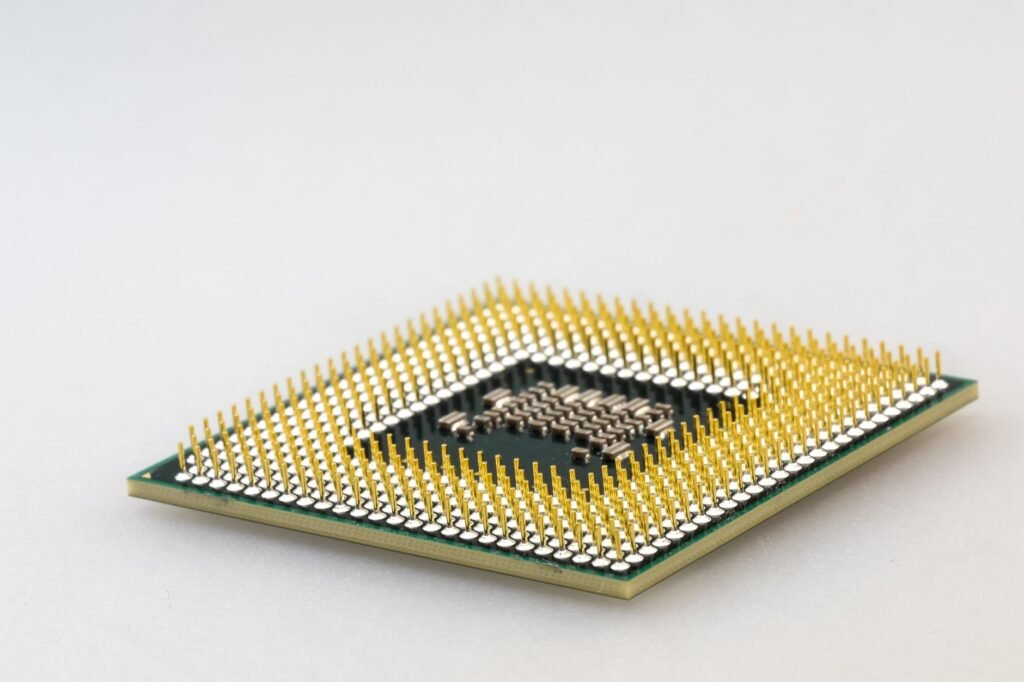
The electronics sector remains the largest industrial consumer of gold, primarily due to its unparalleled conductivity and corrosion resistance. In 2026, the relentless pace of technological advancement continues to drive demand. Miniaturization in devices, the expansion of the Internet of Things (IoT), and the burgeoning need for advanced computing hardware, including for artificial intelligence (AI) and high-performance data centers, necessitate increasingly sophisticated circuitry. Gold is vital in connectors, switch contacts, printed circuit boards (PCBs), and semiconductor components where reliability and precision are paramount. The continued rollout of 5G infrastructure and the growth of electric vehicles (EVs), which rely on numerous gold-plated components for their sensors and control systems, further solidify this sector’s demand for the precious metal.
Global Economic Conditions and Consumer Discretionary Spending
While often categorized separately, jewelry consumption is a significant industrial application for gold, representing a major portion of global physical demand. In 2026, global economic growth and consumer discretionary spending directly influence this segment. Stronger economic performance typically correlates with increased consumer confidence and purchasing power, translating into higher demand for luxury goods, including gold jewelry. Conversely, economic slowdowns can lead to reduced spending. Beyond jewelry, broader economic health affects industrial investment in sectors that utilize gold, such as manufacturing, research and development, and infrastructure projects. Therefore, the overall economic climate acts as a powerful determinant for a substantial portion of gold’s industrial uptake.
Advancements in Dental and Medical Applications
Gold’s biocompatibility, non-toxicity, and resistance to corrosion make it invaluable in the medical and dental fields. In 2026, demand from these sectors is influenced by several trends. An aging global population continues to drive the need for dental restorative materials, where gold alloys have a long history of reliability and durability. In medicine, gold is utilized in precision surgical instruments, stents, diagnostic equipment, and even in some emerging cancer therapies and drug delivery systems due to its inertness and ability to interact with biological tissues. Innovations in medical technology, including advanced imaging and minimally invasive surgical techniques, also create new niches for gold’s unique properties.
Geopolitical Stability and Supply Chain Dynamics
The stability of global supply chains and geopolitical factors can indirectly but significantly impact industrial gold demand. Disruptions in the availability or pricing of alternative materials (such as palladium or silver, which can sometimes be substituted for gold in specific applications) can lead industries to re-evaluate their material choices. Furthermore, general geopolitical instability can affect industrial production globally, either by hindering access to essential components or by shifting manufacturing hubs. In 2026, companies prioritize supply chain resilience, which might lead some industries to favor materials with more established and reliable supply networks, or to diversify their material sourcing, potentially influencing gold usage.
Emerging Industrial Applications and Green Technologies
Gold’s role extends beyond traditional uses into cutting-edge research and green technologies. In 2026, material science innovations continue to uncover new applications. Gold nanoparticles are proving crucial in advanced catalysis, particularly in environmental applications such as purifying air and water, and in processes related to hydrogen production for clean energy. Its properties are also being explored in advanced sensors, solar cells, and supercapacitors. The drive towards more sustainable and efficient technologies often requires materials with extreme performance characteristics, and gold frequently fits this requirement, cementing its place in the development of next-generation industrial processes and products.
Industrial Demand’s Impact on Gold’s Market Price
While investment demand often drives short-term price volatility, industrial consumption provides a critical underlying support for gold’s market price. This steady, non-speculative demand acts as a floor, preventing prices from plummeting solely due to shifts in investor sentiment. In 2026, strong industrial demand from electronics, dentistry, and emerging technologies helps absorb a significant portion of newly mined gold and recycled supplies. If industrial demand strengthens significantly, it can exert upward pressure on prices, especially if supply growth does not keep pace. Conversely, a substantial downturn in these industrial sectors could dampen overall demand, potentially influencing prices downwards, though the metal’s role as an investment asset typically provides counterbalancing forces. Analysts often monitor industrial consumption data closely as a fundamental indicator of gold’s intrinsic utility and enduring value.
Conclusion
Gold’s market valuation in 2026 is a complex interplay of various forces, and industrial demand is an indispensable part of this equation. From the micro-components powering our digital world to the advanced materials shaping our future, gold’s unique physical and chemical properties ensure its continued relevance across a multitude of industries. Understanding these five influencing factors provides a more holistic perspective on the metal’s inherent value beyond its investment appeal, highlighting its foundational role in modern technology and society.
Disclaimer: This article is provided for general informational and educational purposes only and does not constitute financial, investment, trading, or legal advice. Gainsium is not a registered investment advisor. Markets are volatile and past performance does not guarantee future results. Readers should conduct their own research and consult a licensed financial advisor before making any investment decisions.