
As the investment landscape continues its dynamic evolution in 2026, many investors are actively exploring avenues beyond traditional stocks and bonds to enhance their portfolio’s resilience. Diversifying an investment portfolio with alternative assets offers a strategic approach to potentially improve risk-adjusted returns and reduce overall volatility. This guide explores how to effectively incorporate various alternative investments, from real estate to commodities, into a balanced financial strategy, considering the market dynamics prevalent in the current year.
Understanding Alternative Investments in 2026
Alternative investments are generally assets that fall outside the traditional categories of publicly traded stocks, bonds, and cash. They often exhibit lower correlation with conventional markets, which can be particularly appealing for diversification purposes, especially during periods of market uncertainty or shifting economic paradigms. In 2026, with central banks navigating complex inflation targets and geopolitical factors influencing global supply chains, the search for uncorrelated assets remains a key driver for many investment strategies.
Why Consider Alternatives Now?
The financial environment in 2026 presents several compelling reasons to consider alternative assets. Traditional portfolios, heavily weighted in stocks and bonds, may face unique challenges. For instance, some market observers note that a persistent inflationary environment, even if moderating, can erode the purchasing power of fixed-income assets and potentially impact equity valuations. Alternative assets, such as certain commodities or real estate, have historically demonstrated characteristics that can offer a hedge against inflation or provide distinct return drivers.
- Diversification Benefits: Alternatives can help spread risk across different asset classes, potentially smoothing out portfolio returns during periods when traditional markets are volatile.
- Potential for Enhanced Returns: While often carrying higher risk, some alternative investments have the potential for attractive returns, especially in niche markets or private sectors.
- Inflation Hedge: Certain real assets, like real estate and commodities, have historically performed well during inflationary periods, offering a potential store of value.
- Low Correlation: Many alternative assets do not move in lockstep with stocks and bonds, providing a valuable component for a truly diversified portfolio.
Common Types of Alternative Investments
The universe of alternative assets is vast and varied, each with its own risk and return profile. Understanding the distinct characteristics of each can help in making informed decisions about their role in a portfolio.
Real Estate
Real estate remains a cornerstone alternative investment. It can provide both income through rentals and capital appreciation. In 2026, some segments of the real estate market continue to show strength, driven by demographic shifts and evolving work patterns, though local market conditions vary significantly.
- Direct Ownership: Purchasing physical properties, such as residential or commercial buildings. This option typically demands significant capital and active management.
- Real Estate Investment Trusts (REITs): These are companies that own, operate, or finance income-producing real estate. REITs trade on public exchanges, offering liquidity and diversification within real estate without direct property management.
- Real Estate Crowdfunding: Platforms that allow investors to pool money to invest in larger real estate projects. This lowers the barrier to entry but often involves less liquidity than REITs.
Commodities
Commodities encompass raw materials, including precious metals, energy products, and agricultural goods. They are often viewed as a hedge against inflation and a play on global economic trends.
- Precious Metals: Gold and silver are often considered safe-haven assets, with a history of retaining value during economic downturns or periods of high inflation. Some analysts in 2026 point to ongoing geopolitical tensions as a factor supporting demand for these metals.
- Industrial Metals: Copper, nickel, and aluminum are vital for manufacturing and infrastructure. Their prices are often linked to global industrial demand and economic growth.
- Energy: Crude oil, natural gas, and refined products are highly sensitive to supply-demand dynamics and geopolitical events.
- Agriculture: Grains, livestock, and soft commodities can be influenced by weather patterns, global demand, and geopolitical factors.
Private Equity and Venture Capital
These investments involve equity in companies that are not publicly traded. Private equity typically focuses on established companies, while venture capital targets early-stage startups.
- Private Equity Funds: These funds raise capital from institutional and accredited investors to acquire, manage, and eventually sell private companies. They often aim for significant operational improvements to enhance value.
- Venture Capital Funds: Focused on providing capital to startups and early-stage companies with high growth potential. These investments carry substantial risk but also offer the potential for outsized returns. Accessibility is generally restricted to accredited investors.
Hedge Funds
Hedge funds employ diverse, complex strategies, often utilizing leverage and derivatives, to generate returns in various market conditions. They are typically structured as private investment partnerships and are generally accessible only to accredited investors due to their sophisticated nature and higher fees.
Digital Assets
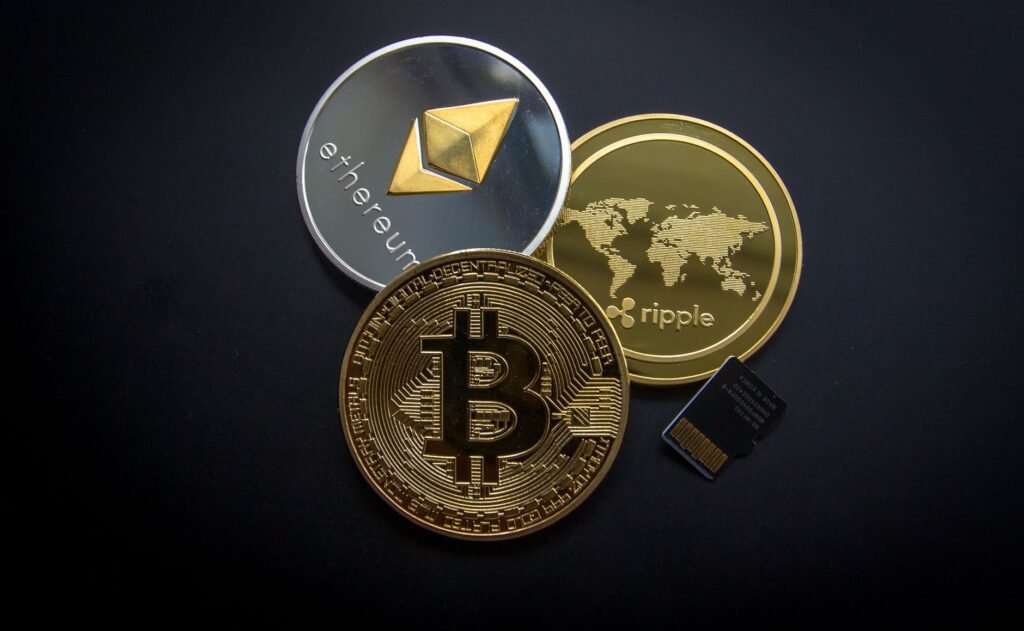
While relatively newer, assets like cryptocurrencies and non-fungible tokens (NFTs) have gained attention. Their high volatility and nascent regulatory frameworks mean they are generally considered high-risk, speculative investments. While some investors allocate a small portion to digital assets for their uncorrelated potential, thorough due diligence and a high-risk tolerance are crucial.
Integrating Alternatives into Your Portfolio Strategy
Incorporating alternative assets requires a thoughtful and strategic approach. It is not simply about adding new asset classes but understanding how they interact with existing holdings and contribute to overall portfolio objectives.
Portfolio Allocation Considerations
The appropriate allocation to alternative investments depends heavily on an investor’s individual circumstances, including their risk tolerance, investment horizon, and liquidity needs. Generally, a smaller percentage allocation to alternatives is common for many diversified portfolios, often ranging from 5% to 20% for individual investors, though institutional allocations can be higher. Consider the potential impact on overall portfolio volatility and expected returns.
- Risk Tolerance: Many alternative assets are less liquid and can be more volatile than traditional investments. A higher risk tolerance may accommodate a larger allocation.
- Liquidity Needs: Some alternatives, particularly direct real estate and private equity, are highly illiquid, meaning they cannot be easily or quickly converted to cash without significant loss. Ensure that a sufficient portion of the portfolio remains in liquid assets to meet financial obligations.
- Investment Horizon: Due to their illiquidity, many alternative investments are best suited for investors with a long-term investment horizon, allowing time for potential appreciation and navigating market cycles.
Due Diligence and Professional Guidance
Thorough research is paramount when considering alternative investments. The complexity and often opaque nature of some alternatives necessitate a deep understanding of their underlying assets, fee structures, and potential risks. Engaging with a qualified financial advisor who specializes in alternative investments can provide valuable insights and help tailor a strategy aligned with individual financial goals. A financial advisor can also help navigate the regulatory landscape and assess the suitability of various alternative products.
Understanding Illiquidity Risk
One of the most significant differences between traditional and alternative investments is liquidity. While publicly traded stocks and bonds can typically be bought and sold quickly, many alternative assets, such as private equity stakes or direct real estate holdings, may take months or even years to liquidate. This illiquidity can present challenges, especially if unexpected financial needs arise. Investors should carefully assess their comfort with having a portion of their capital locked up for extended periods.
Conclusion
Diversifying an investment portfolio with alternative assets in 2026 can be a powerful strategy to enhance resilience and potentially improve risk-adjusted returns. By thoughtfully incorporating assets like real estate, commodities, private equity, and other less correlated investments, investors may gain exposure to different return drivers and mitigate risks inherent in traditional markets. However, a successful approach requires careful consideration of individual financial circumstances, thorough due diligence, and a clear understanding of the unique characteristics and risks associated with each alternative asset class. A well-constructed diversified portfolio, including a strategic allocation to alternatives, can be a cornerstone for long-term financial success.
Disclaimer: This article is provided for general informational and educational purposes only and does not constitute financial, investment, trading, or legal advice. Gainsium is not a registered investment advisor. Markets are volatile and past performance does not guarantee future results. Readers should conduct their own research and consult a licensed financial advisor before making any investment decisions.