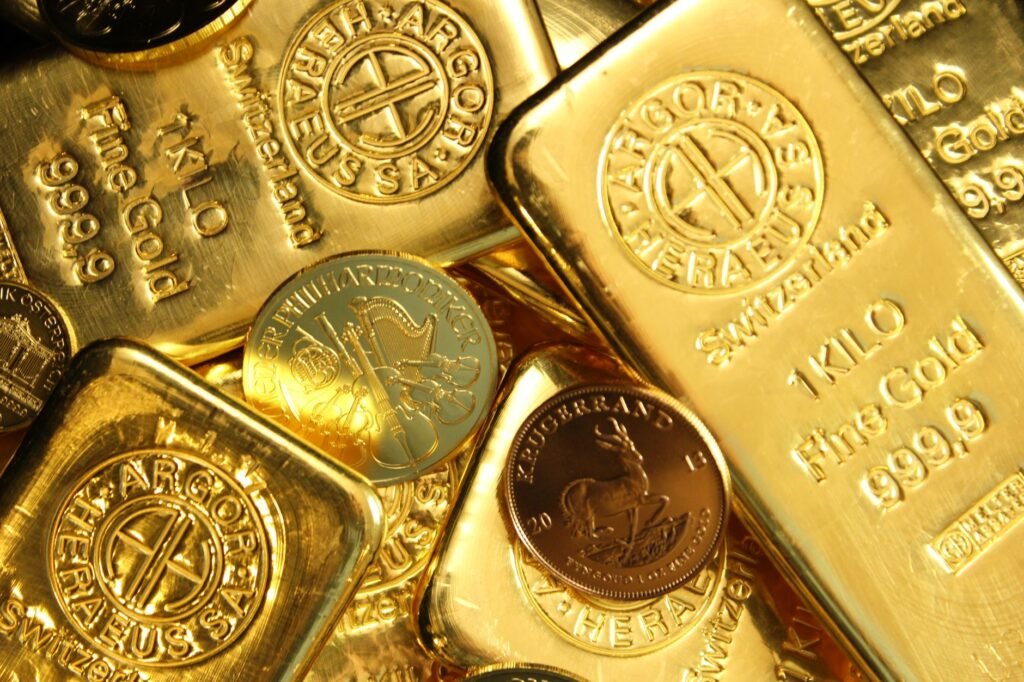

As we navigate the complexities of 2026, the specter of inflation continues to cast a long shadow over global economies. While some might suggest that the peak inflationary pressures of the early 2020s are behind us, astute investors know that underlying forces are still at play, necessitating a robust defense for their portfolios. In this environment, one asset consistently rises to the fore as a paramount protector of purchasing power: gold. For centuries, the precious metal has served as a reliable anchor during turbulent times, and its role as the ultimate hedge against inflation is set to be more critical than ever in the coming year.
Understanding Inflation’s Enduring Threat in 2026
Inflation, at its core, is the erosion of a currency’s purchasing power. What cost $100 last year might cost $105 or more today. While central banks have worked diligently to tame the surge experienced post-pandemic, the inflationary landscape of 2026 presents a unique set of challenges that differ from previous cycles. We’re observing a confluence of factors that suggest inflation isn’t merely a historical footnote but an ongoing, evolving threat:
- Persistent Supply Chain Recalibrations: Geopolitical shifts and a renewed focus on supply chain resilience mean higher reshoring costs and less efficient global logistics, feeding into higher input prices.
- Energy Transition Costs: The global push towards green energy, while vital, involves massive investments and potential for temporary energy price volatility as infrastructure shifts, impacting broader economic costs.
- Fiscal Expansion and Debt Burdens: Governments globally continue to grapple with significant debt loads. The temptation to address these through further fiscal spending or, implicitly, through a softening of currency value (inflation), remains high.
- Wage-Price Spiral Potential: Persistent labor market tightness in key sectors, coupled with demands for higher wages to offset past inflation, risks creating a self-fulfilling cycle where rising wages push up prices, which in turn demands higher wages.
These elements create an environment where traditional deflationary pressures might be offset by structural inflationary forces, making gold’s role as a store of value indispensable.
Gold’s Historical Resilience: A Timeless Protector
Gold’s reputation as an inflation hedge is not based on recent trends alone; it’s forged in centuries of economic history. Unlike fiat currencies, which can be printed at will, gold’s supply is finite and requires significant effort to extract. This intrinsic scarcity gives it enduring value, particularly when faith in paper money wanes.
Key Historical Performance Points:
Consider some pivotal periods where gold demonstrated its hedging capabilities:
- The 1970s & Early 1980s: During an era marked by oil shocks and runaway inflation, the price of gold skyrocketed, increasing by over 1,300% from 1971 to 1980. This period vividly illustrated gold’s ability to preserve purchasing power when traditional assets struggled.
- The Early 2000s: Following the dot-com bust and amidst rising geopolitical tensions and loose monetary policy, gold began a significant bull run, appreciating steadily even as inflationary concerns mounted later in the decade.
- Post-2008 Financial Crisis: As central banks unleashed quantitative easing (QE), fears of currency debasement and future inflation drove strong demand for gold, pushing prices to new highs.
- The Early 2020s: In response to unprecedented fiscal stimulus and supply chain disruptions, gold once again demonstrated its hedging characteristics, outperforming many other assets as inflation surged globally.
These examples underscore gold’s inverse relationship with currency strength during inflationary periods. When the cost of living rises and the value of a dollar, euro, or yen depreciates, gold historically tends to appreciate, thereby maintaining an investor’s real wealth.
The 2026 Outlook: Why Gold Shines Brighter Now
Looking specifically at 2026, several factors converge to strengthen gold’s position as the optimal inflation hedge:
Geopolitical Instability and Safe-Haven Demand
Global geopolitical landscapes remain highly volatile. Ongoing conflicts, trade disputes, and significant electoral cycles in major economies contribute to a pervasive sense of uncertainty. In times of crisis or heightened geopolitical risk, investors traditionally flock to safe-haven assets. Gold, with no counterparty risk and universal recognition, is the quintessential safe haven. This persistent demand, fueled by uncertainty, provides a robust floor for gold prices, augmenting its inflation-hedging properties.
Global Debt, Currency Concerns, and Real Interest Rates
The cumulative effect of pandemic-era spending and ongoing fiscal commitments means global debt levels are at historic highs. Managing this debt often leads to policies that are implicitly inflationary, such as maintaining lower-than-optimal interest rates or allowing some degree of currency debasement. In 2026, if inflation remains sticky and nominal interest rates fail to keep pace, real interest rates will remain low or even negative. This is a critical tailwind for gold, as it reduces the opportunity cost of holding a non-yielding asset. When bonds offer meager real returns, gold’s appeal as a store of value dramatically increases.
Central Bank Buying and Market Dynamics
A significant trend in recent years, which is expected to continue into 2026, is the sustained accumulation of gold by central banks worldwide. Nations are diversifying their reserves away from traditional fiat currencies, seeking stability and independence. This consistent institutional demand provides a strong foundational support for gold prices. Furthermore, retail investor interest, driven by persistent inflation fears and the metal’s safe-haven appeal, continues to underpin a robust market for physical gold and gold-backed instruments.
Integrating Gold into Your 2026 Portfolio
For investors looking to protect their wealth against the inflationary pressures of 2026, strategically allocating a portion of their portfolio to gold is a prudent move. Here’s how you can approach it:
Practical, Actionable Advice:
1. Determine Your Allocation: A typical allocation for gold as a hedge ranges from 5-15% of a diversified portfolio, depending on individual risk tolerance and inflation outlook. It’s a defensive play, not a primary growth driver.
2. Choose Your Investment Vehicle:
- Physical Gold: Direct ownership of coins or bars provides the highest level of independence from financial institutions. Ensure secure storage (e.g., reputable vaults).
- Gold Exchange-Traded Funds (ETFs): These offer liquidity and convenience, tracking the price of gold without requiring physical storage. Ensure the ETF is physically-backed.
- Gold Mining Stocks: Investing in companies that mine gold can offer leverage to gold price movements, but also carries company-specific risks (management, operational efficiency, geopolitical risk in mining regions). Consider diversified gold mining ETFs for broader exposure.
- Gold Futures/Options: For more sophisticated investors, these derivatives offer speculative opportunities but come with higher risk and require active management.
3. Understand the Role: Gold acts as an insurance policy for your portfolio. Its primary objective is capital preservation and hedging against systemic risks, including inflation, rather than aggressive capital appreciation. While gold can offer significant returns, its core utility in 2026 is its stability during turbulent economic periods.
Conclusion
In a world still grappling with complex economic aftermaths and new inflationary drivers, gold stands out as an unparalleled hedge. The unique combination of persistent supply chain pressures, substantial global debt, lingering geopolitical tensions, and the continued central bank demand ensures that gold’s intrinsic value and safe-haven properties will be profoundly relevant in 2026. By strategically integrating gold into your investment strategy, you are not just buying a metal; you are investing in a time-tested defense against the erosion of your wealth, safeguarding your financial future against inflation’s enduring challenge. For the informed investor, gold is not just an option; it’s a necessity for 2026 and beyond.