
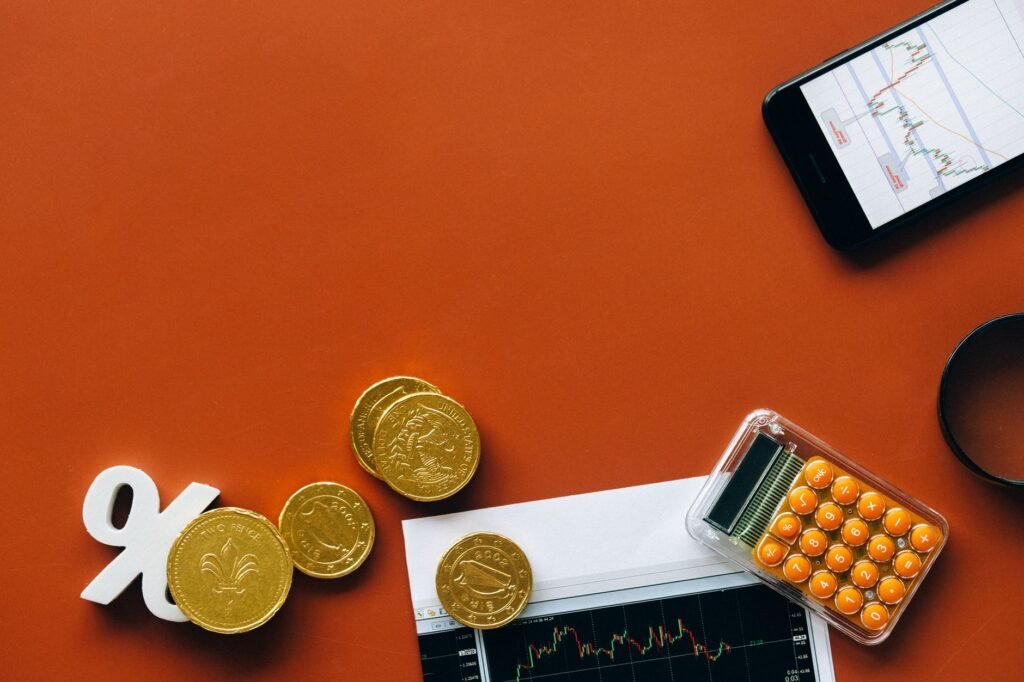

As we navigate the markets of 2026, gold continues its reign as a premier asset for both long-term investors and nimble traders. The yellow metal, revered for its safe-haven properties and intrinsic value, remains a critical component in diversified portfolios, especially amidst ongoing global economic shifts and geopolitical uncertainties. Understanding how to effectively trade gold, combining robust technical analysis with astute fundamental insights, is paramount to success in this dynamic year. This comprehensive guide from Gainsium will equip you with the strategies needed to navigate the gold market in 2026.
The 2026 Macro Landscape for Gold
The year 2026 presents a unique economic backdrop influencing gold prices. While inflation, a dominant theme in previous years, has largely moderated from its peaks, underlying price pressures and the potential for a resurgence remain a concern. This keeps gold relevant as an inflation hedge. Central bank monetary policies, particularly from the U.S. Federal Reserve, are critical. We anticipate a period of relative stability in interest rates, perhaps with cautious discussions around modest rate cuts later in the year, which historically tends to be supportive for non-yielding assets like gold.
Geopolitical Currents & Central Bank Demand
Geopolitical tensions, from regional conflicts to global trade realignments, continue to underpin gold’s appeal as a safe haven. Nations are increasingly prioritizing financial independence and diversification away from reserve currencies, leading to sustained, strong central bank gold purchases. This institutional demand has been a significant bullish factor and is projected to continue its robust trend in 2026, offering a sturdy floor for prices even during periods of market volatility.
Mastering Technical Analysis for Gold in 2026
Technical analysis remains an indispensable tool for identifying entry and exit points in the gold market. By studying price action and volume, traders can uncover patterns and trends that often precede significant moves.
Identifying Key Support & Resistance Levels
Support and resistance levels are the bedrock of technical trading. In 2026, with gold having established new trading ranges post-pandemic and amidst evolving global financial conditions, identifying these crucial psychological barriers is more important than ever. These levels represent price points where buying or selling pressure is expected to be strong enough to prevent the price from moving further in a particular direction.
- Historical Highs and Lows: Previous swing highs often become resistance, and swing lows become support.
- Trendlines: Drawing lines connecting consecutive highs (resistance) or lows (support) in an uptrend or downtrend.
- Moving Averages: Longer-term moving averages (e.g., 50-day, 100-day, 200-day Simple Moving Averages) often act as dynamic support or resistance. For instance, if gold is trading above its 200-day SMA, that line may act as support during pullbacks.
- Fibonacci Retracement Levels: Key retracement levels (e.g., 38.2%, 50%, 61.8%) can identify potential reversal points where price might find support or resistance.
A break above a strong resistance level is often a bullish signal, suggesting a continuation of the upward trend, while a break below support is typically bearish.
Essential Indicators & Chart Patterns
Beyond support and resistance, a suite of technical indicators and chart patterns can enhance your trading decisions in 2026:
Indicators:
- Relative Strength Index (RSI): Helps identify overbought (above 70) or oversold (below 30) conditions, signaling potential reversals. In 2026, watch for divergences where price makes a new high but RSI doesn’t, indicating weakening momentum.
- Moving Average Convergence Divergence (MACD): A momentum indicator showing the relationship between two moving averages of prices. Crossovers of the MACD line and signal line, or divergences with price, can provide strong trading signals.
- Bollinger Bands: These volatility bands can help identify periods of high or low volatility and potential price breakouts or reversals when price touches the upper or lower band.
Chart Patterns:
- Double Tops/Bottoms: Reversal patterns indicating a potential change in trend.
- Head and Shoulders: Another classic reversal pattern, signaling the end of an uptrend.
- Flags and Pennants: Continuation patterns, suggesting a brief pause before the previous trend resumes.
Decoding Fundamental Drivers for 2026 Gold Trades
While technicals guide entry and exit, fundamentals paint the broader picture of gold’s value and direction.
The Dollar-Gold Nexus
The inverse relationship between the U.S. Dollar (USD) and gold remains a cornerstone of fundamental analysis. A stronger dollar typically makes gold more expensive for holders of other currencies, dampening demand and pushing prices down, and vice-versa. In 2026, factors impacting the USD include:
- U.S. Economic Performance: Stronger U.S. growth relative to other major economies can boost the dollar.
- Federal Reserve Policy: The Fed’s stance on interest rates, even if stable, dictates the attractiveness of dollar-denominated assets.
- Safe-Haven Flows to USD: Paradoxically, in times of extreme global crisis, both gold and the dollar can act as safe havens, though gold’s appeal often intensifies in prolonged uncertainty.
Monitoring the Dollar Index (DXY) is therefore crucial for gold traders.
Real Rates, Inflation & Safe-Haven Flows
Real interest rates (nominal interest rates minus inflation) are a powerful determinant of gold’s attractiveness. When real rates are low or negative, the opportunity cost of holding non-yielding gold decreases, making it more appealing. Even with moderating inflation in 2026, if nominal interest rates don’t keep pace, gold could see significant tailwinds. Furthermore, any renewed uptick in inflation expectations or an escalation of geopolitical conflicts will immediately bolster gold’s safe-haven demand.
Seasonal Tendencies & Demand Shifts
Gold exhibits well-documented seasonal patterns that traders can leverage. Historically, gold tends to strengthen in late Q3 and early Q4, often attributed to:
- Indian Wedding Season: Increased demand for physical gold jewelry.
- Chinese New Year Preparations: A cultural tradition that fuels gold purchases.
- Holiday Season Demand: General festive buying in Western markets.
While these patterns are not guarantees, they can provide a probabilistic edge when combined with other analyses. In 2026, monitor global economic health, particularly in major gold-consuming nations like India and China, as their economic performance directly impacts these seasonal demand trends.
Integrating Strategies & Risk Management for 2026
The most effective gold trading strategy for 2026 will involve a confluence of both technical and fundamental insights. Use fundamentals to understand the overarching trend and sentiment, and technicals to time your entries and exits.
Practical Advice:
- Combine Signals: Look for instances where technical buy/sell signals (e.g., a bullish MACD crossover) align with positive/negative fundamental drivers (e.g., a weakening dollar or rising geopolitical tension).
- Define Your Horizon: Are you a short-term day trader or a long-term position holder? Your chosen strategy will dictate the charts and fundamental news you prioritize.
- Risk Management is King: Always define your stop-loss levels before entering a trade. Position sizing should be conservative, never risking more than a small percentage of your capital on any single trade. Gold, while a safe-haven, can still be volatile.
- Stay Informed: Keep abreast of central bank announcements, inflation data, GDP reports, and geopolitical developments from reliable sources. Gainsium offers real-time insights to aid your decision-making.
The Golden Path Ahead
Trading gold in 2026 offers compelling opportunities for those who approach the market with discipline and a well-rounded strategy. By understanding the prevailing macroeconomic climate, mastering technical indicators, and interpreting fundamental catalysts like the dollar’s strength, real interest rates, and seasonal demand, you can navigate the precious metal’s movements with greater confidence. Remember that gold, while often a safe harbor, demands respect and a vigilant approach to risk management. Equip yourself with knowledge, stay adaptable, and may your gold trades shine brightly in the year ahead.