
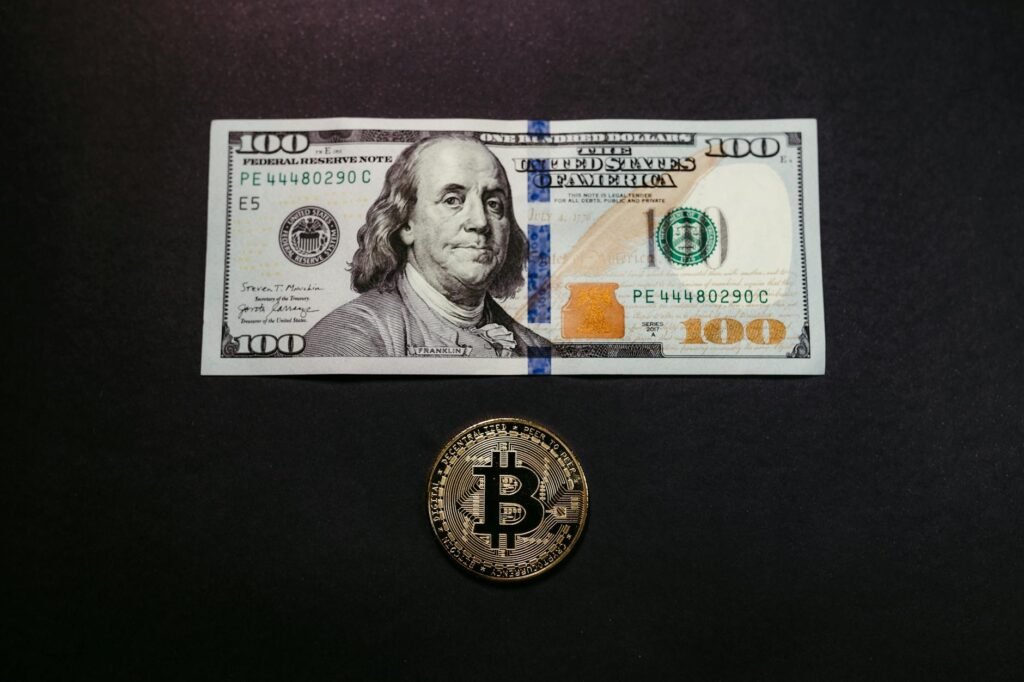

Welcome to 2026. The financial world continues its relentless evolution, and investors are constantly seeking the next frontier for capital preservation and growth. In this dynamic landscape, two assets repeatedly spark fervent debate: gold, the age-old paragon of value, and Bitcoin, the revolutionary digital scarce asset. As we navigate the mid-2020s, with geopolitical shifts, evolving monetary policies, and a persistent drive towards digitalization, the question isn’t just about which asset is ‘better,’ but rather which serves a more strategic role in your diversified portfolio. Let’s dissect their prospects in 2026, examining their volatility, store of value credentials, and expanding adoption.
The 2026 Investment Landscape: Setting the Stage
The global economic climate in 2026 is a complex tapestry. We’ve seen central banks continue to grapple with persistent inflationary pressures, albeit perhaps moderating from the peaks of earlier years, alongside the ever-present shadow of potential geopolitical instability. Interest rates remain a key concern, influencing capital flows and risk appetites. In this environment, investors are particularly sensitive to assets that offer both stability and a hedge against uncertainty. Regulatory frameworks for digital assets have matured significantly in some jurisdictions, while others continue to debate their stance, creating a patchwork of clarity and ambiguity. This backdrop profoundly influences the investment theses for both gold and Bitcoin.
Gold: The Timeless Guardian in a Modern Era
As of 2026, gold unequivocally maintains its status as a premier safe-haven asset. Its intrinsic value, historical resilience, and universal acceptance continue to underpin its appeal, especially during periods of economic apprehension or currency debasement fears.
Volatility: Steady Hand in Turbulent Waters
In 2026, gold’s volatility remains remarkably low compared to virtually any other asset class, particularly digital assets. While it can experience price swings driven by real interest rates, central bank purchasing, and geopolitical events, these movements are typically measured. Gold’s relative stability makes it an indispensable component for risk-averse investors seeking to preserve capital amidst market turbulence. The ongoing trend of central bank gold accumulation, evident since the early 2010s, persists into 2026, further solidifying its price floor and signaling continued institutional trust in its enduring value.
Store of Value: A Millennia-Old Legacy
Gold’s role as a store of value is undisputed, backed by thousands of years of human history. In 2026, with concerns about sovereign debt and the potential for prolonged inflationary periods in certain economies, gold’s ability to retain purchasing power remains a critical advantage. It operates outside the traditional banking system, offering a tangible hedge against systemic risk. Its finite supply, though subject to mining output, is well-understood and predictable, contributing to its perceived scarcity.
Adoption: Deeply Entrenched and Broadening
Gold’s adoption is universal, from central banks and sovereign wealth funds to institutional investors and individual savers. In 2026, the accessibility of gold has been further enhanced through various financial products: physical bullion, gold ETFs, mining stocks, and digital gold tokens. This broad accessibility ensures deep liquidity and integration into global financial markets. Emerging markets continue to view gold as a fundamental component of their reserves and personal wealth, diversifying away from single-currency dependence.
Bitcoin: Digital Frontier or Established Asset?
By 2026, Bitcoin has undergone significant maturation, propelled by institutional adoption, improved regulatory clarity in key markets, and the cyclical impact of its halving events. Yet, its journey to universal acceptance is ongoing.
Volatility: Taming the Wild West, Gradually
While still significantly more volatile than gold, Bitcoin’s wild price swings have shown signs of moderation by 2026, particularly after the widespread adoption of spot Bitcoin ETFs in major economies. These investment vehicles have brought in a new wave of institutional capital, which tends to be less speculative and more long-term oriented. However, Bitcoin’s price remains susceptible to macroeconomic shifts, regulatory announcements, and sentiment-driven moves, showcasing its higher risk profile compared to gold. Its supply shocks from the halving events, the most recent being in 2024, continue to play a role in its price discovery, often leading to periods of heightened speculation.
Store of Value: The Digital Gold Thesis Solidifies?
The ‘digital gold’ narrative for Bitcoin has gained substantial traction by 2026. Its fixed supply cap of 21 million coins, combined with a transparent and immutable ledger, presents a compelling argument for its scarcity in the digital age. Investors are increasingly recognizing its potential as a hedge against inflation and currency debasement, particularly for those seeking an uncorrelated asset in a digital-first world. While lacking gold’s millennia of history, Bitcoin’s performance during recent periods of high inflation has bolstered its store of value claims among its proponents. However, its correlation with risk-on assets during periods of extreme market stress still raises questions for some traditionalists.
Adoption: From Niche to Mainstream Integration
2026 sees Bitcoin’s adoption at an unprecedented level. The approval and success of spot ETFs have democratized access for millions of traditional investors, bringing significant institutional capital into the ecosystem. Corporations are increasingly holding Bitcoin on their balance sheets, and some nation-states are exploring or actively utilizing Bitcoin for various purposes. Infrastructure for Bitcoin payments and lightning network utilization has improved, though its primary use case remains as a store of value rather than a medium of exchange for everyday transactions. Regulatory progress, while uneven globally, has provided clearer guidelines in many developed markets, fostering greater confidence.
Head-to-Head: Volatility, Value, and Viability in 2026
Comparing these two titans in 2026 reveals distinct strengths and weaknesses:
- Volatility: Gold is the clear winner for stability. Bitcoin, while maturing, still demands a higher risk tolerance.
- Store of Value: Gold offers time-tested reliability. Bitcoin presents a newer, digital paradigm of scarcity that’s proving its mettle, but still building its track record.
- Adoption & Accessibility: Gold is universally accepted and integrated. Bitcoin’s adoption is rapidly expanding, especially through financial products, but still faces hurdles in global regulatory harmonization and direct transactional utility.
- Liquidity: Both assets boast deep liquidity, with gold’s market cap and trading volumes remaining immense, and Bitcoin’s growing exponentially.
- Correlation: Gold often shows inverse correlation with equities and currencies during crises. Bitcoin’s correlation has shifted, sometimes acting as a risk-on asset, other times showing signs of decoupling.
Crafting Your Portfolio: Actionable Insights
As a Gainsium investor, your strategy for 2026 shouldn’t be about choosing one over the other, but understanding how each fits into a diversified portfolio tailored to your risk profile and investment goals.
- Diversification is Key: For most investors, a balanced approach that includes both gold and Bitcoin is prudent. Gold offers a bedrock of stability and a proven hedge, while Bitcoin provides exposure to a high-growth, innovative asset class with potential for significant returns.
- Assess Your Risk Tolerance: If you are risk-averse, a larger allocation to gold is advisable. If you have a higher appetite for risk and a longer time horizon, a meaningful allocation to Bitcoin could enhance portfolio returns, understanding its inherent volatility.
- Consider Macroeconomic Outlook: In an environment of persistent inflation and geopolitical uncertainty (which characterizes parts of 2026), both assets offer unique hedging properties. Gold as a traditional inflation hedge, and Bitcoin as a potential hedge against central bank monetary expansion and currency debasement.
- Stay Informed on Regulation: Bitcoin’s future growth is heavily tied to regulatory clarity. Keep abreast of policy developments in major economies, as these can significantly impact its price and adoption trajectory.
- Time Horizon Matters: Gold is a long-term store of value. Bitcoin, while increasingly seen as a long-term hold, still benefits from a multi-year investment horizon to weather its cyclical volatility.
Conclusion
In 2026, the debate between gold and Bitcoin isn’t a zero-sum game. Gold, with its unparalleled history as a safe haven and store of value, continues to anchor portfolios against traditional economic risks. Bitcoin, having matured considerably, solidifies its position as a disruptive, digitally native store of value, offering high growth potential and a hedge against a new set of risks. The savvy investor recognizes the complementary roles they can play. By understanding their distinct characteristics in terms of volatility, store of value efficacy, and market adoption, you can strategically allocate capital to both, building a robust, diversified portfolio ready to navigate the complexities and opportunities of the mid-2020s and beyond. The future isn’t about choosing sides; it’s about harnessing the strengths of both the old guard and the new frontier.