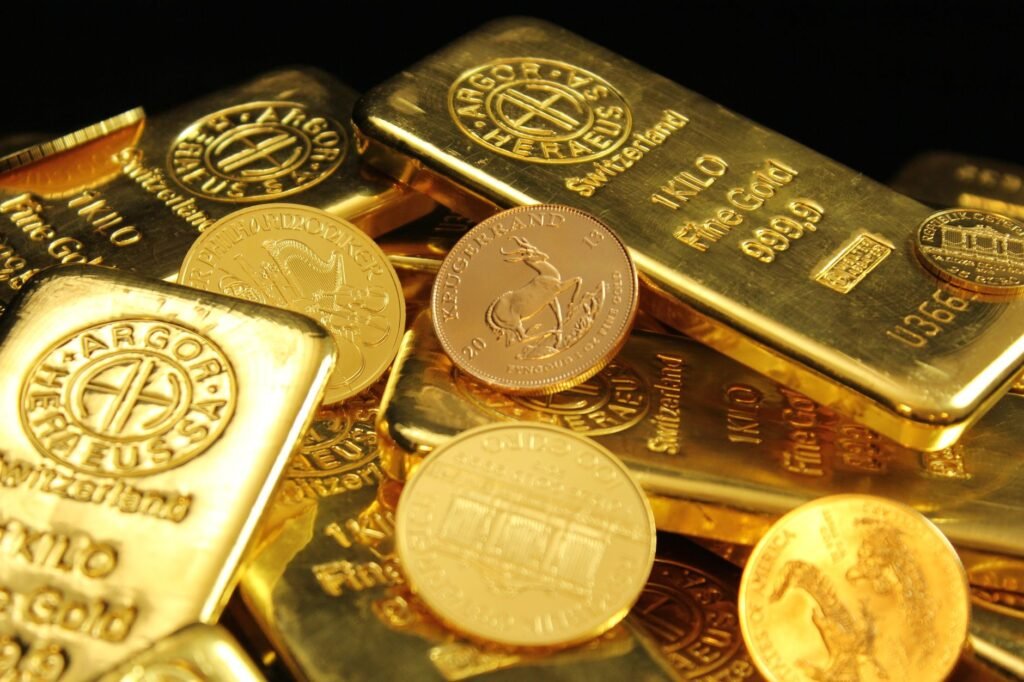

Understanding Gold’s Safe Haven Appeal
Gold has long been considered a safe-haven asset, especially during times of global unrest and economic uncertainty. Its demand as a geopolitical safe haven is influenced by a complex interplay of international events, economic anxieties, and investor psychology. This article explores the primary factors that historically elevate gold’s appeal when stability is threatened, offering insights for those seeking to understand its unique role in financial markets.
Historical Context
Historically, gold has served as a store of value across millennia, predating modern currencies and financial systems. Its enduring appeal stems from its physical properties – it is durable, divisible, and scarce. Over centuries, various civilizations have valued gold, cementing its perception as a tangible asset that retains value even when paper currencies or other assets falter. This deep-rooted history contributes significantly to its psychological pull as a safe haven, a role that becomes particularly prominent during periods of turmoil.
Intrinsic Value and Scarcity
Unlike fiat currencies, which derive their value from government decree, gold possesses an intrinsic value largely due to its scarcity and the energy required for its extraction. It cannot be printed or created at will by central banks, providing a natural hedge against inflation and currency debasement. This physical scarcity means its supply is relatively inelastic, reinforcing its perceived value during crises when confidence in easily reproducible assets might wane.
Geopolitical Instability: A Primary Driver
Major geopolitical events are often the most direct catalysts for increased gold demand as a safe haven. When the global political landscape becomes volatile, investors frequently reallocate capital towards assets perceived to be less susceptible to the immediate impacts of conflict or political upheaval.
International Conflicts and Tensions
The outbreak or escalation of international conflicts, wars, and regional skirmishes almost invariably drives demand for gold. During such periods, the threat to economic stability, trade routes, and general security becomes palpable. Investors and even sovereign nations tend to seek out gold as a neutral asset, one that is not tied to any single country’s political fortunes or currency. The 2020s, for instance, have seen ongoing geopolitical friction contributing to a persistent underlying demand for the yellow metal.
Political Uncertainty and Crises
Beyond armed conflicts, domestic political instability within major economies or globally significant regions can also fuel safe-haven flows into gold. Events such as contentious elections, political coups, civil unrest, or significant policy shifts that create uncertainty for businesses and markets can prompt a flight to safety. Such crises can erode investor confidence in local assets, making gold a globally recognized alternative.
Systemic Risks and Black Swan Events
Unforeseen
Disclaimer: This article is provided for general informational and educational purposes only and does not constitute financial, investment, trading, or legal advice. Gainsium is not a registered investment advisor. Markets are volatile and past performance does not guarantee future results. Readers should conduct their own research and consult a licensed financial advisor before making any investment decisions.