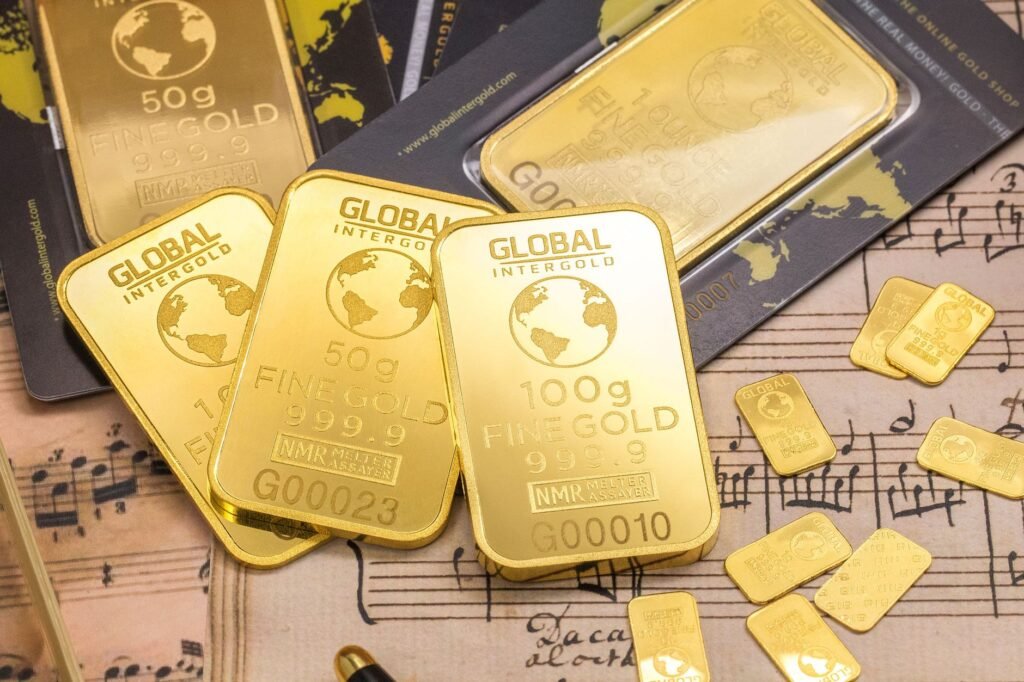

In 2026, central bank gold reserves continue to play a significant role in shaping global gold prices. Their collective buying and selling activities, along with the strategic importance placed on gold by monetary authorities, directly impact both the supply-demand balance and market sentiment for the precious metal. Understanding these mechanisms is crucial for anyone following the gold market.
The Role of Central Banks in the Gold Market
Historical Context and Modern Significance
Historically, gold served as the bedrock of monetary systems, from ancient civilizations to the gold standard. While the direct link to currency convertibility has largely dissipated, central banks around the globe continue to hold substantial gold reserves. In 2026, gold remains a critical asset for these institutions, valued for its unique properties as a store of value and a strategic reserve asset. Its role has evolved from a direct currency peg to a key component of diversified reserve portfolios, particularly in an environment characterized by fluctuating geopolitical landscapes and shifting economic paradigms.
Why Central Banks Hold Gold
Central banks maintain gold reserves for several fundamental reasons, which collectively influence market perceptions and pricing. These reasons include:
- Diversification: Gold offers a recognized alternative to fiat currencies and government bonds, helping central banks diversify their reserves and reduce overall portfolio risk, especially against the backdrop of potential currency depreciation or sovereign debt concerns.
- Safe Haven Asset: In times of economic uncertainty, geopolitical tension, or financial crisis, gold often demonstrates its safe-haven characteristics. Central banks view gold as a reliable asset that tends to preserve value when other assets falter.
- Inflation Hedge: Historically, gold has often demonstrated an ability to act as a hedge against inflation, making it an attractive asset when inflationary pressures are a concern for monetary authorities.
- Long-Term Store of Value: Gold has maintained its intrinsic value over millennia, making it a compelling long-term store of wealth for national economies.
- Currency Stability and Confidence: Holding significant gold reserves can bolster confidence in a nation’s economic stability and its currency, particularly for emerging economies seeking to enhance their financial standing on the global stage.
Mechanisms of Influence on Gold Prices
Central bank actions can influence gold prices through various direct and indirect channels.
Demand and Supply Dynamics
The most direct impact comes from central banks’ buying and selling activity. When central banks are net buyers, they increase global demand for gold, which can put upward pressure on prices. Conversely, significant net selling could add to supply and potentially depress prices. Over the past several years leading into 2026, there has been a notable trend of central banks, particularly from emerging markets, being consistent net buyers, contributing significantly to overall global gold demand. This sustained demand from official institutions acts as a substantial floor for the market, absorbing a significant portion of annual gold mine production.
Market Sentiment and Perception
Beyond physical transactions, central bank actions and statements carry considerable weight in influencing market sentiment. When a major central bank signals an intent to increase gold holdings, or publicly emphasizes gold’s importance as a reserve asset, it can send a strong positive signal to the broader market, encouraging other institutional and retail investors. This perception of gold’s enduring value, reinforced by official sector endorsement, can contribute to bullish sentiment and price appreciation. Conversely, any indication of reduced confidence or significant selling from official institutions could trigger negative sentiment.
Monetary Policy and Geopolitical Factors
Central bank monetary policy decisions in 2026, such as interest rate adjustments and quantitative easing/tightening, also indirectly affect gold prices. Higher interest rates typically increase the opportunity cost of holding non-yielding assets like gold, potentially dampening demand. However, in an environment of persistent inflation or economic instability, even with higher rates, gold’s appeal as a safe haven can remain strong. Geopolitical tensions, which often prompt central banks to bolster their strategic reserves, can also fuel demand for gold as a hedge against global uncertainties, influencing its price trajectory.
Central Bank Gold Holdings in 2026: Trends and Outlook
Persistent Accumulation Trends
The trend of central bank gold accumulation, which gained momentum in the early 21st century, has largely continued into 2026. This ongoing demand from official sector entities has been a consistent feature of the gold market. Nations are observed strengthening their reserve portfolios, with gold playing a prominent role as a liquid, universally accepted asset with no counterparty risk. This steady accumulation provides a foundational level of demand that supports gold prices.
Impact of De-dollarization Narratives
In 2026, discussions around de-dollarization and the diversification of global reserve currencies remain relevant. Some central banks, particularly those seeking to reduce reliance on the U.S. dollar, have reportedly increased their gold holdings as part of a broader strategy to diversify their international reserves. This strategic shift, driven by geopolitical considerations and a desire for greater financial autonomy, contributes to sustained central bank demand for gold, bolstering its market significance.
Transparency and Reporting
The transparency with which central banks report their gold holdings and transactions can also influence market stability. Regular, clear reporting from institutions like the World Gold Council and individual central banks allows market participants to assess the scale and direction of official sector activity. Any perceived lack of transparency or sudden, unexpected movements in reserves could lead to market speculation and price volatility.
Considerations for Gold Market Participants
Monitoring Central Bank Activity
For investors and market analysts, closely monitoring central bank gold reserve data and pronouncements is a valuable exercise. While specific future price targets cannot be predicted as facts, understanding the general direction of official sector demand can offer insights into underlying market strength and sentiment. Changes in reserve strategies, even if not immediately impactful on prices, can signal long-term trends.
Gold as a Diversifier
Recognizing gold’s role as a portfolio diversifier, alongside central banks’ strategic use of it, can be a prudent approach for individual and institutional investors alike. Some investors consider gold’s ability to potentially hedge against inflation and offer a safe haven during economic turmoil as valuable. However, the performance of gold, like any asset, is subject to various market forces and is not guaranteed.
Central bank gold reserves are undeniably a significant factor in the global gold market in 2026. Their strategic decisions on holding, buying, and selling gold reserves, driven by economic diversification, risk management, and geopolitical considerations, continue to exert influence over gold prices by impacting demand, market sentiment, and overall stability for the precious metal.
Disclaimer: This article is provided for general informational and educational purposes only and does not constitute financial, investment, trading, or legal advice. Gainsium is not a registered investment advisor. Markets are volatile and past performance does not guarantee future results. Readers should conduct their own research and consult a licensed financial advisor before making any investment decisions.