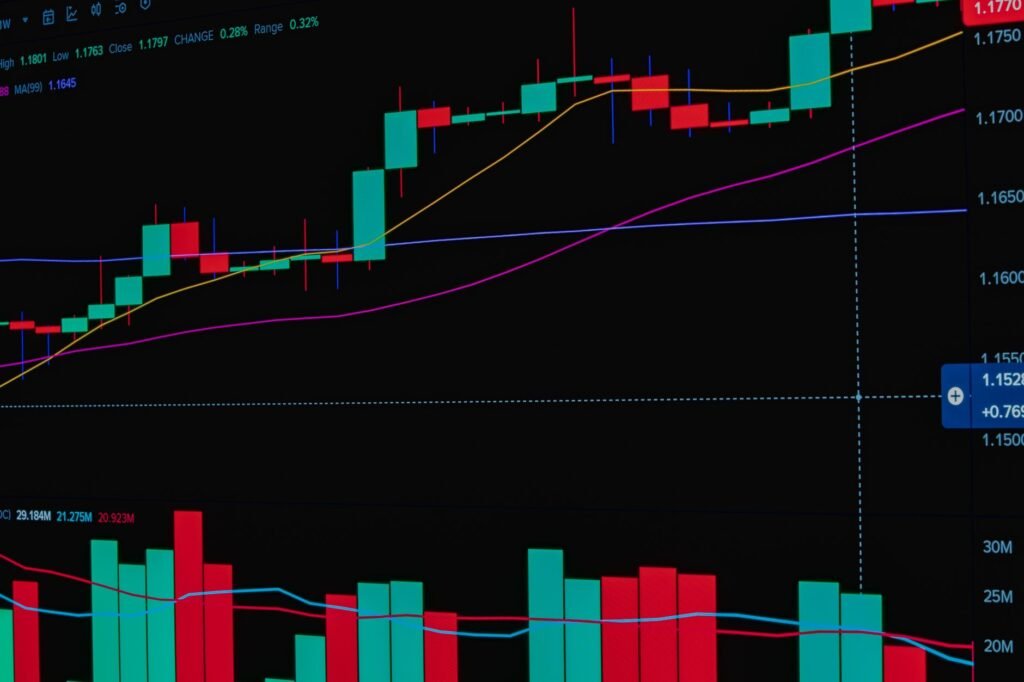

Understanding the intricate world of central bank communications is more critical than ever for market participants in 2026. This guide explores how to effectively read and understand statements, press conferences, and reports from major central banks to anticipate potential market reactions and economic shifts.
Central banks, such as the U.S. Federal Reserve, the European Central Bank (ECB), the Bank of Japan (BoJ), and the People’s Bank of China (PBoC), serve as critical anchors for global financial stability and economic policy. Their pronouncements carry significant weight, influencing everything from interest rates and inflation expectations to currency valuations and equity market sentiment. In an environment marked by ongoing global economic adjustments, technological advancements, and shifting geopolitical landscapes, interpreting their messages with precision can provide valuable insights into future market direction.
The Evolving Landscape of Central Bank Influence in 2026
The role of central banks continues to evolve, adapting to new economic realities. In 2026, they remain primarily focused on managing inflation and fostering stable economic growth, but the tools and challenges are increasingly complex. The integration of artificial intelligence and automation into global labor markets, for instance, is a trend many central banks are monitoring for its potential long-term impact on employment and productivity. Additionally, geopolitical developments continue to exert influence on global supply chains, adding layers of complexity to inflation management.
Central banks are also navigating the discussions around Central Bank Digital Currencies (CBDCs), with various pilot programs and frameworks under consideration globally. While the direct market impact of CBDCs is still being assessed, their eventual implementation could reshape financial infrastructure and payment systems, a topic often subtly addressed in central bank discussions. Overall, central bank communication styles have trended towards greater transparency over the past decades, yet the sheer volume and nuance of information require careful analysis.
Key Channels for Central Bank Communications
Central banks employ several official channels to communicate their policy decisions, economic outlooks, and assessments of financial risks. Each channel offers a distinct depth and perspective that market participants can leverage.
Monetary Policy Statements and Press Conferences
Monetary policy statements are typically released immediately after policy meetings and announce key decisions on interest rates and other monetary policy tools. Investors often scrutinize the exact wording for subtle shifts in the central bank’s outlook or policy stance. Terms such as “data-dependent,” “flexible,” or specific nuances regarding the future path of policy can signal important changes. For central banks like the Federal Reserve, the accompanying “dot plot” – a graphical representation of individual committee members’ projections for future interest rates – provides a visual clue into the expected trajectory of policy rates. Post-statement press conferences, featuring the central bank governor, offer crucial opportunities to gauge the institution’s current thinking. The tone, emphasis on specific economic indicators, and answers during the Q&A segment often reveal insights that aren’t explicit in the written statement.
Minutes of Meetings and Speeches
Minutes of monetary policy meetings, usually released a few weeks after the actual meeting, provide a more detailed account of the discussions and considerations that led to policy decisions. These documents often reveal the extent of consensus or dissent among policymakers, offering deeper insight into the underlying economic arguments. Furthermore, speeches delivered by central bank officials – both the governor and other committee members – are often used to test new policy ideas, elaborate on recent decisions, or provide regional economic perspectives. It is important to remember that while a governor’s speech typically carries more weight, comments from other members can still offer valuable clues about the range of opinions within the institution.
Economic Reports and Financial Stability Reviews
Beyond policy decisions, central banks regularly publish comprehensive economic reports and financial stability reviews. These documents provide the analytical foundation upon which policy decisions are made. They detail the central bank’s assessment of key economic indicators such as inflation, employment trends, GDP growth, and the overall health of the financial system. For instance, the Fed’s Beige Book offers anecdotal information on current economic conditions across its districts, while financial stability reports highlight potential systemic risks. Monitoring these reports allows for a better understanding of the data points and concerns that are likely to influence future policy directions.
Deciphering the Nuances: What to Look For
Effective interpretation goes beyond simply reading the words; it involves understanding the subtext, the evolving lexicon, and the signals being sent.
Forward Guidance
Forward guidance refers to a central bank’s communication about the future path of monetary policy. Its evolution has been significant, from calendar-based commitments to more conditional, data-dependent approaches. In 2026, central banks often emphasize conditions that must be met (e.g., inflation sustainably at target, full employment achieved) before policy changes occur. Analyzing changes in language around persistent versus transitory inflation, or the commitment to specific economic metrics, can provide strong indications for the future of interest rates and quantitative easing or tightening programs.
Tone and Emphasis
The tone of communication – whether generally “hawkish” (suggesting tighter policy, higher rates) or “dovish” (suggesting looser policy, lower rates) – is a critical signal. Analysts often track specific words or phrases that indicate a shift. For example, replacing “vigilant” with “attentive” when discussing inflation could signal a subtle change in urgency. Detecting shifts in consensus or growing dissent within the policymaking committee, as revealed in minutes or individual speeches, can also be an early indicator of future policy adjustments.
Market Reactions and Expectations
Financial markets are highly sensitive to central bank communications. Surprises in policy decisions or forward guidance often lead to immediate and sometimes significant reactions in equities, bond yields, currencies, and commodity prices. It’s crucial to distinguish between reactions to unexpected news versus those confirming market expectations. Markets often “price in” anticipated policy moves, meaning the actual announcement might have less impact if it aligns with widespread forecasts. The current landscape in 2026, characterized by swift information dissemination and algorithmic trading, means market reactions can be nearly instantaneous, often leading to temporary volatility.
Practical Strategies for Interpretation
A systematic approach can help in effectively interpreting central bank communications.
Holistic Approach
- Don’t just read headlines: Always delve into the full statements, reports, and transcripts. Headlines can be misleading or oversimplified.
- Compare and contrast: Review current communications in the context of previous statements. Look for changes in wording, omitted phrases, or new points of emphasis.
- Cross-reference with data: Always cross-reference central bank comments with the latest economic data releases (inflation, employment, GDP). Central banks are “data-dependent,” so understanding the data helps understand their reactions.
Focus on Key Variables
Pay particular attention to how central banks articulate their outlook on core economic variables:
- Inflation: Is it seen as temporary or persistent? What factors are highlighted?
- Employment: Is the labor market seen as tight, loose, or in balance? What is the outlook for wage growth?
- Economic Growth: What are the projections for GDP, and what are the key risks (e.g., geopolitical, supply chain, financial stability)?
- Financial Stability: Are there growing concerns about asset bubbles, credit risks, or other vulnerabilities in the financial system?
Consider Global Interconnections
In 2026, the global economy is deeply interconnected. Policy decisions by major central banks can have ripple effects worldwide. For instance, a significant shift in U.S. Federal Reserve policy can influence capital flows to emerging markets, impact global commodity prices, and affect exchange rates. Similarly, actions by the ECB or the Bank of England can affect bond yields and economic sentiment across continents. Understanding these interdependencies is crucial for developing a comprehensive market view.
Mastering the interpretation of central bank communications is a continuous learning process. It requires diligence, a keen eye for detail, and a deep understanding of economic principles. By applying these strategies, market participants can enhance their ability to anticipate economic shifts and potential market reactions, thereby gaining a more informed perspective on the financial landscape.
Disclaimer: This article is provided for general informational and educational purposes only and does not constitute financial, investment, trading, or legal advice. Gainsium is not a registered investment advisor. Markets are volatile and past performance does not guarantee future results. Readers should conduct their own research and consult a licensed financial advisor before making any investment decisions.