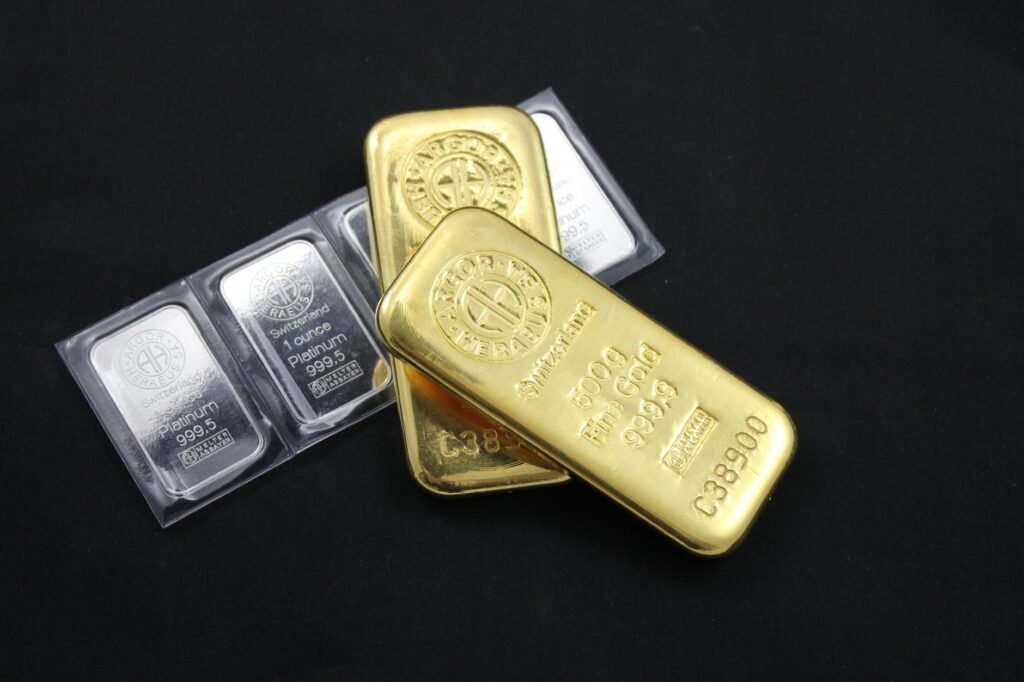

As 2026 unfolds, investors frequently assess various asset classes for their potential to preserve wealth, generate returns, or act as a hedge against economic volatility. Among the oldest and most trusted assets are precious metals, particularly gold and silver. Deciding which, if either, is the better investment involves understanding their unique market drivers, historical performance, and how they might fit into a diversified portfolio. This article explores the characteristics of gold and silver as investment assets in the current year, providing a framework for consideration.
Understanding Gold’s Appeal in 2026
Gold has long been revered as a store of value and a safe-haven asset, especially during periods of economic or geopolitical uncertainty. Its scarcity, universal acceptance, and resistance to corrosion have cemented its role in financial markets for centuries. In 2026, gold’s market dynamics continue to be shaped by several key factors.
Historical Performance and Market Drivers
Historically, gold has often shown an inverse correlation with the U.S. dollar and real interest rates. When real interest rates (nominal interest rates minus inflation) are low or negative, gold, which offers no yield, can become more attractive compared to interest-bearing assets. Conversely, a strong dollar can make gold more expensive for international buyers, potentially dampening demand.
Geopolitical tensions, such as ongoing conflicts or trade disputes, tend to bolster gold’s appeal as investors seek refuge from market volatility. Central banks globally have often been significant purchasers of gold, diversifying their reserves and contributing to its demand. Inflationary pressures, which have been a recurring theme in recent years, also commonly lead investors to consider gold as a hedge against the erosion of purchasing power.
While industrial demand for gold exists, it is relatively minor compared to its investment and jewelry demand. Therefore, its price is primarily driven by monetary policy, investor sentiment, and global economic stability.
Role in a Diversified Portfolio
For many investors, gold serves as a strategic portfolio diversifier. Its historical tendency to hold value during market downturns can help mitigate overall portfolio risk. Some investors utilize gold to hedge against inflation, currency devaluation, and systemic economic risks. Holdings can include physical gold (bullion, coins), gold-backed exchange-traded funds (ETFs), or shares in gold mining companies.
The Investment Case for Silver in 2026
Silver, often dubbed ‘the poor man’s gold,’ shares some similarities with its yellow counterpart but also possesses distinct characteristics that influence its investment profile. Its dual nature as both a precious metal and an industrial commodity significantly impacts its price volatility and market drivers.
Historical Performance and Market Drivers
Silver’s price movements can be more volatile than gold’s. While it often tracks gold’s direction, its industrial demand component introduces additional market influences. Historically, silver has reacted strongly to economic cycles, often outperforming gold during periods of robust economic growth due to increased industrial use.
In 2026, industrial demand for silver remains a crucial driver. Silver is indispensable in numerous high-growth sectors, including:
- Solar Panels: A critical component in photovoltaic cells, demand from the rapidly expanding solar energy industry continues to be substantial.
- Electronics: Found in everything from smartphones to electric vehicles (EVs) due to its excellent electrical conductivity. The ongoing digitalization and electrification trends globally contribute significantly to this demand.
- Medical Applications: Its antimicrobial properties make it valuable in various medical devices and treatments.
Investment demand for silver, similar to gold, can increase during times of economic uncertainty or as an inflation hedge. However, its industrial applications mean that its price is also sensitive to global manufacturing output and technological advancements. Supply-side factors, such as production levels from mining and recycling, also play a more pronounced role in silver’s market compared to gold’s.
Role in a Diversified Portfolio
Silver can appeal to investors seeking exposure to both precious metals and industrial growth. Its higher volatility can offer greater upside potential during economic expansions, though it also carries increased risk. Some investors use silver as a complementary asset to gold, diversifying their precious metal exposure. Like gold, silver can be held physically or through financial instruments like silver-backed ETFs or mining company stocks.
Gold vs. Silver: Key Differences for Investors
When comparing gold and silver, several distinctions become apparent, which can guide an investor’s decision in 2026:
- Volatility: Silver is generally more volatile than gold. Its smaller market size and higher proportion of industrial demand mean its price can swing more dramatically in response to economic news or shifts in industrial production.
- Industrial Demand: Silver’s price is significantly more influenced by industrial demand (around 50% of total demand) than gold’s (approximately 10% of total demand). This makes silver more susceptible to global economic health and technological trends.
- Store of Value: Gold is more universally recognized and has a longer, more consistent history as a primary store of value and currency hedge. Silver also serves this purpose, but its industrial utility often overshadows its monetary role for many market participants.
- Liquidity: The gold market is generally larger and more liquid than the silver market, which can be a factor for large-scale investors or those prioritizing ease of buying and selling.
Considering Precious Metals in 2026: An Outlook
As 2026 progresses, the global economic landscape continues to present a mix of opportunities and challenges. Factors that market observers are closely monitoring include the trajectory of global inflation, the stance of major central banks on interest rates, and ongoing geopolitical developments. Some analysts have suggested that persistent inflation could support gold’s role as a hedge, while others point to the expanding clean energy transition and technological innovation as potential tailwinds for silver’s industrial demand.
Forecasts regarding precious metal prices are inherently uncertain and subject to rapid shifts in market sentiment and fundamental economic data. Neither gold nor silver offers guaranteed returns, and their performance will depend on a complex interplay of supply, demand, monetary policy, and investor psychology.
Conclusion: Which is the ‘Better’ Investment?
Ultimately, the question of whether gold or silver is the ‘better’ investment in 2026 does not have a single, definitive answer. The optimal choice depends heavily on an individual investor’s objectives, risk tolerance, and time horizon. For those prioritizing wealth preservation and a hedge against systemic risks and inflation, gold’s historical role as a safe haven might be more appealing. For investors seeking potentially higher growth exposure linked to industrial demand and comfortable with greater volatility, silver could present an interesting opportunity.
Many investors choose to hold a combination of both metals, leveraging gold’s stability and silver’s growth potential to achieve a diversified precious metals allocation. It is essential for any investor to conduct thorough research and consider how these assets align with their overall financial strategy. Gainsium emphasizes that this content is for general education and does not constitute personalized financial or investment advice.
Disclaimer: This article is provided for general informational and educational purposes only and does not constitute financial, investment, trading, or legal advice. Gainsium is not a registered investment advisor. Markets are volatile and past performance does not guarantee future results. Readers should conduct their own research and consult a licensed financial advisor before making any investment decisions.