
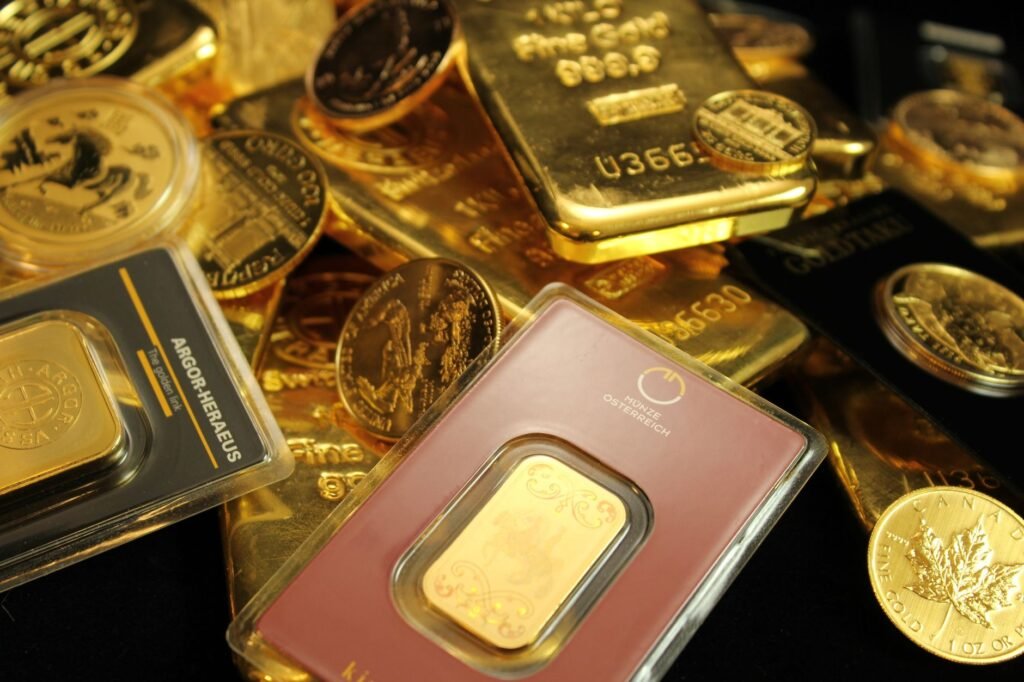

In an ever-evolving economic landscape, investors frequently seek assets that can offer a degree of stability during times of uncertainty. Two traditional contenders for the title of ‘safe-haven’ are gold and real estate. This article compares these two enduring assets, exploring their distinct characteristics and how they might perform as safe havens in 2026 and beyond.
Understanding Safe-Haven Investments
A safe-haven asset is typically considered an investment that is expected to retain or increase in value during periods of market turbulence. These assets often have low correlation with other asset classes, meaning they tend to move independently or even inversely to the broader market. When economic conditions are unpredictable, or geopolitical tensions rise, the appeal of safe havens often intensifies as investors look for places to preserve capital.
Gold as a Safe Haven
Gold has served as a store of value for millennia, earning its reputation as a safe haven through countless economic cycles. Its appeal largely stems from its intrinsic value and global acceptance.
- Tangible Asset: Gold is a physical commodity, independent of any government or corporation, which contributes to its perceived stability.
- Inflation Hedge: Historically, gold has often been viewed as a hedge against inflation. During periods when the purchasing power of fiat currencies erodes, gold’s value has frequently demonstrated resilience or even appreciation, though this is not guaranteed in all scenarios.
- Global Demand: Demand for gold is diverse, coming from jewelry, industrial uses, central bank reserves, and investment. This broad demand base can contribute to its stability.
- Liquidity: The global gold market is highly liquid, making it relatively easy to buy and sell. This characteristic is particularly attractive during times when quick access to capital is important.
- Portability: Physical gold, or investments in gold-backed instruments, offers a high degree of portability and can be stored in various forms.
However, gold is not without its considerations. It does not generate income (like dividends or rent) and its price can be subject to volatility driven by factors such as interest rate expectations, U.S. dollar strength, and investor sentiment.
Real Estate as a Safe Haven
Real estate, encompassing residential, commercial, and industrial properties, also holds a strong position as a traditional safe-haven asset, primarily due to its tangible nature and potential for income generation.
- Tangible Asset: Like gold, real estate is a physical asset with inherent value. It provides a foundational need (shelter, business space), which can give it a perceived stability that abstract financial instruments might lack.
- Income Potential: Rental income from properties can provide a steady cash flow, which can be particularly attractive during periods when other investments are underperforming.
- Appreciation Potential: Over the long term, well-located and managed properties often have the potential for capital appreciation, though this is heavily dependent on local market conditions and broader economic trends.
- Leverage: Real estate investments can often be leveraged with financing, potentially amplifying returns (though also increasing risk).
- Inflation Hedge: In many cases, real estate can serve as an inflation hedge, as property values and rental incomes may rise in tandem with inflation, though this correlation is not absolute and varies by market.
On the other hand, real estate faces challenges such as illiquidity (it can take time to sell), significant transaction costs, ongoing maintenance expenses, property taxes, and susceptibility to local economic downturns or changes in interest rates. Property values are also highly localized, meaning performance can vary significantly even within the same country.
Performance During Uncertain Economic Times (2026 Context)
The global economic environment in 2026 continues to navigate a landscape shaped by persistent inflationary pressures in some regions, evolving central bank monetary policies, and geopolitical considerations. These factors collectively influence investor sentiment and the appeal of different asset classes.
Gold’s Performance: Historically, gold has often shown strength during periods of high inflation or when real interest rates are low or negative. It has also frequently acted as a safe harbor during geopolitical crises, with its price rising as investors flock to perceived safety. In 2026, with ongoing discussions around inflation management and potential shifts in global economic power dynamics, gold’s role as a non-sovereign store of value remains a point of interest for many investors seeking to hedge against currency devaluation or systemic risks. Some analysts suggest that continued market volatility could underscore gold’s appeal, though future performance is always uncertain.
Real Estate’s Performance: Real estate performance in 2026 is significantly influenced by interest rate environments, borrowing costs, and regional economic health. Following periods of rapid increases in interest rates, borrowing costs have become a more prominent factor for potential buyers and developers. However, strong underlying demand in certain demographic segments or robust economic activity in specific urban centers can still support property values and rental growth. While some regions may experience headwinds due to affordability challenges or oversupply, others might see sustained demand. The tangible nature and income-generating potential of real estate continue to draw investors looking for long-term stability and potential income streams, even as the market adjusts to prevailing economic conditions.
Key Differences and Considerations
When comparing gold and real estate as safe-haven investments, several fundamental differences emerge:
- Liquidity: Gold offers superior liquidity compared to real estate. Gold can be converted to cash relatively quickly, whereas selling real estate often involves a lengthy process, significant fees, and market-dependent timelines.
- Income Generation: Real estate has the potential to generate rental income, providing a regular cash flow. Gold, by contrast, does not produce income; its return comes solely from capital appreciation.
- Holding Costs: Real estate incurs ongoing costs such as property taxes, insurance, maintenance, and potential mortgage interest. While gold can have storage and insurance costs, these are generally lower than those associated with property ownership.
- Diversification: Both assets can play a role in diversifying an investment portfolio, offering exposure to different market forces. Gold may offer diversification against equity and currency risks, while real estate can diversify against financial market volatility and offer a hedge against inflation.
- Accessibility: Investing in gold can be done through various means, including physical bullion, gold ETFs, or mining stocks, often with smaller capital outlays. Direct real estate investment typically requires a substantial initial capital commitment, although options like Real Estate Investment Trusts (REITs) offer more accessible entry points.
Conclusion
Both gold and real estate have demonstrated their capacity to act as safe-haven investments during uncertain economic times. Gold offers liquidity, global acceptance, and a traditional hedge against inflation and currency debasement, without generating income. Real estate provides tangible value, potential for income generation through rent, and a long-term inflation hedge, but comes with higher illiquidity, ongoing costs, and localized market risks.
The choice between gold and real estate, or the allocation to each, ultimately depends on an individual’s specific financial objectives, risk tolerance, time horizon, and current market outlook. Many investors choose to include both in a diversified portfolio to leverage their distinct characteristics and potential benefits across different economic scenarios.
Disclaimer: This article is provided for general informational and educational purposes only and does not constitute financial, investment, trading, or legal advice. Gainsium is not a registered investment advisor. Markets are volatile and past performance does not guarantee future results. Readers should conduct their own research and consult a licensed financial advisor before making any investment decisions.