
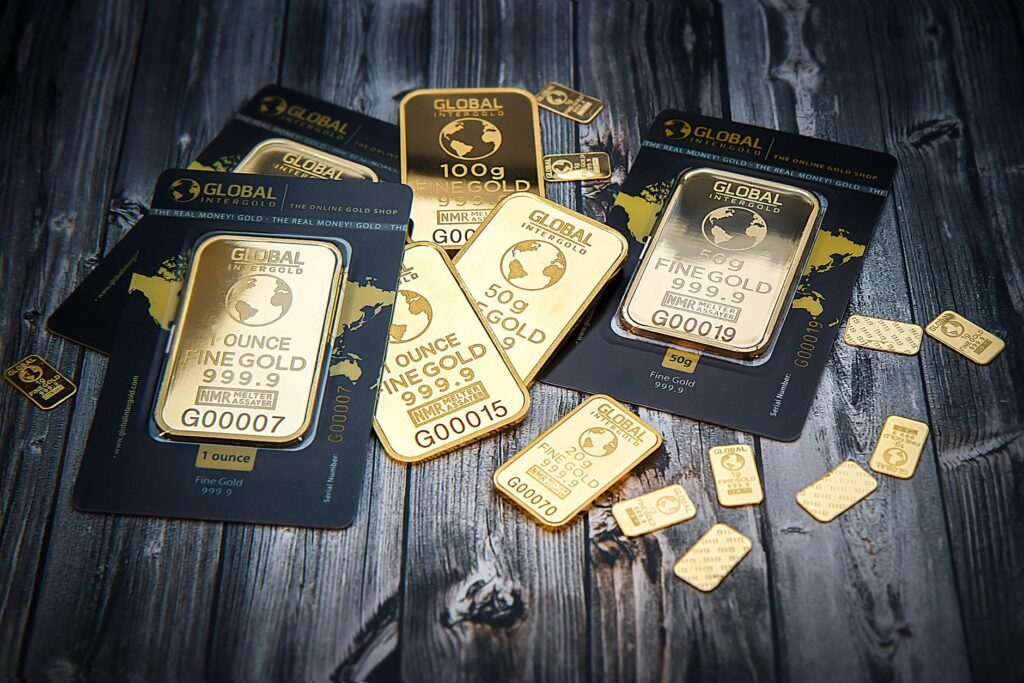

In 2026, understanding the intricate relationship between global gold production trends and market prices remains a critical aspect for those observing the precious metals sector. The dynamics of how much gold is extracted from the earth, the costs associated with that extraction, and the pace of new discoveries can significantly influence the supply side of the gold market, thereby affecting its valuation. This article explores the various factors influencing global gold production and how these elements are poised to shape gold prices in the current year.
The Landscape of Global Gold Production in 2026
The global gold mining industry in 2026 largely operates within a mature and increasingly complex environment. While production levels have seen periods of growth in prior decades, the present reality is characterized by a challenging landscape for new, high-grade discoveries. Many major gold-producing regions continue to rely on existing mines, some of which are nearing the end of their productive lives or are contending with declining ore grades. This necessitates greater operational efficiency and higher investment to maintain output.
Geopolitical stability in key mining jurisdictions also plays a pivotal role. Regions rich in gold deposits often face political or economic uncertainties, which can disrupt mining operations, delay new projects, or increase operating costs. Companies must navigate these complexities, adding another layer of risk and expense to the supply chain.
Technological advancements, while continually evolving, have provided incremental rather than revolutionary boosts to overall production. Innovations in extraction methods and processing can improve recovery rates or allow for the economic mining of lower-grade ores, but these often come with significant capital expenditure and do not fundamentally alter the underlying geological scarcity of gold.
Key Factors Influencing Gold Supply
Several interconnected factors directly contribute to the global gold supply, each with the potential to either bolster or constrain market availability.
Mining Output and Ore Grades
- Declining Ore Grades: A persistent trend in the industry is the general decrease in the average gold content of ore extracted. As easily accessible, high-grade deposits become depleted, miners must process more material to yield the same amount of gold, which naturally increases costs and environmental footprints.
- Exploration Spending and Discoveries: Exploration budgets are often cyclical, responding to prevailing gold prices. While spending continues, the rate of major new gold discoveries has slowed significantly over the past decade. The absence of substantial new finds means that the pipeline for future production growth is constrained, putting greater reliance on extending the life of existing operations.
- Production Costs: Operating a gold mine is capital-intensive. Costs related to energy, labor, equipment, and environmental compliance have generally been on an upward trajectory. Higher production costs can act as a natural floor for gold prices, as mines become unprofitable if prices fall below their total cost of production.
Regulatory Environment and Capital Investment
- Environmental, Social, and Governance (ESG) Considerations: Increasingly stringent environmental regulations and social license requirements impact mine development and operation. Projects face longer permitting times, higher compliance costs, and greater scrutiny, which can delay or even halt new ventures. Investors are also placing more emphasis on sustainable mining practices, influencing capital allocation.
- Capital Expenditure for New Projects: Developing a new gold mine is a multi-year, multi-billion-dollar undertaking. The long lead times and significant upfront investment require stable long-term price expectations and robust investor confidence, which can be challenging in volatile markets.
Recycling and Central Bank Activity
- Gold Recycling: A substantial portion of annual gold supply comes from recycled sources, including old jewelry, industrial scrap, and electronic waste. The volume of recycled gold tends to be price-sensitive, increasing when gold prices are high and decreasing when prices are lower. This acts as a flexible component of the overall supply.
- Central Bank Gold Holdings: While not production in the traditional sense, central banks are significant holders and occasional buyers/sellers of gold. In recent years, several central banks have been net purchasers of gold, adding to their reserves. This demand, while not directly increasing physical supply from mines, absorbs available market supply and reflects sovereign confidence in gold as a store of value.
Interplay with Demand and Market Dynamics
While production trends define the supply side, gold prices are ultimately determined by the equilibrium of supply and demand. In 2026, global demand for gold is influenced by a diverse set of factors.
- Investment Demand: Gold’s role as a safe-haven asset remains prominent. Investment demand, often expressed through gold-backed exchange-traded funds (ETFs) or physical bullion purchases, tends to surge during periods of geopolitical instability, economic uncertainty, or heightened inflation concerns. The global macroeconomic environment in 2026, with ongoing discussions around inflation and interest rate trajectories, continues to drive investor interest.
- Jewelry Demand: Major gold consuming nations, particularly in Asia, drive significant jewelry demand. This segment is highly price-sensitive, with higher prices potentially dampening purchasing power and lower prices stimulating sales. Cultural factors and festival seasons also play a considerable role.
- Industrial Demand: A smaller but steady portion of gold demand comes from industrial applications, primarily in electronics, dentistry, and medical fields, due to its unique properties like conductivity and corrosion resistance.
Implications for Gold Prices
For 2026, the implications of these production trends for gold prices are generally supportive. A scenario characterized by constrained primary mine supply, due to declining ore grades, few major new discoveries, and rising production costs, typically provides a strong foundation for gold prices, assuming demand remains stable or grows. If the costs of extracting gold continue to climb, this could establish a higher implicit floor for the metal’s price over the long term.
The market’s perception of gold as a hedge against inflation and a safe haven asset means that production constraints, when coupled with strong investment demand, can lead to upward price pressure. While some analysts have suggested various price outlooks, it is important to remember that such forecasts are inherently uncertain and influenced by a multitude of economic, political, and market-specific factors that can shift rapidly.
Ultimately, gold’s price in 2026 will reflect a delicate balance. While supply from mines faces structural headwinds that could limit significant growth, the responsiveness of recycled gold and the powerful influence of investor sentiment, central bank activity, and global economic conditions will all play crucial roles in shaping its market value.
Disclaimer: This article is provided for general informational and educational purposes only and does not constitute financial, investment, trading, or legal advice. Gainsium is not a registered investment advisor. Markets are volatile and past performance does not guarantee future results. Readers should conduct their own research and consult a licensed financial advisor before making any investment decisions.