
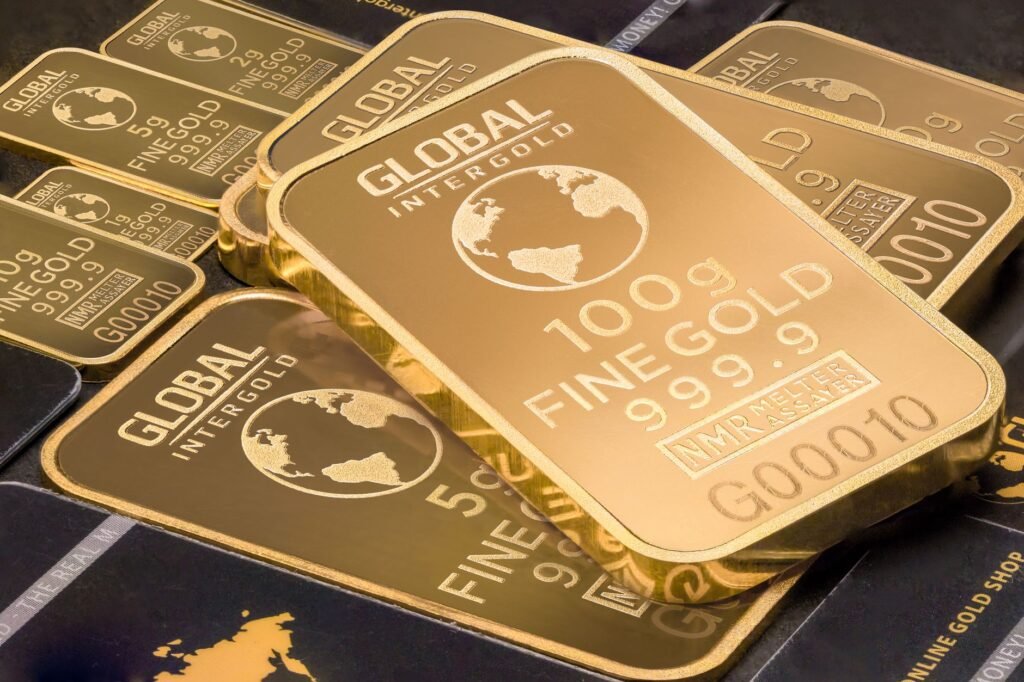

In 2026, as global economies navigate a complex landscape of persistent inflation, fluctuating interest rates, and ongoing geopolitical shifts, many investors continue to evaluate assets that offer potential protection during uncertain times. Gold, with its long-standing reputation as a safe-haven asset, remains a focal point for those seeking portfolio resilience. Several key factors contribute to its appeal, reflecting both historical trends and current market dynamics that shape investor sentiment and capital allocation decisions.
The Enduring Appeal of Gold as a Safe Haven
Gold’s role as a safe haven is rooted in its unique characteristics and historical performance during periods of economic stress. Unlike fiat currencies, gold is not subject to devaluation by government policy, nor does it carry counterparty risk like corporate bonds or stocks. This intrinsic value, coupled with its global acceptance, makes it a preferred store of wealth.
Historical Context and Intrinsic Value
For millennia, gold has served as a universal medium of exchange and a symbol of wealth, predating modern financial systems. Its scarcity, durability, and malleability have solidified its status. When traditional financial markets experience volatility, gold often acts as a reliable alternative, attracting capital from those seeking to preserve purchasing power. Historically, during severe market downturns or geopolitical crises, gold has frequently demonstrated an ability to either hold its value or even appreciate, distinguishing it from many riskier assets.
Portfolio Diversification Benefits
A primary reason investors consider gold is its potential for diversification. Gold’s price movements often exhibit a low or negative correlation with other major asset classes, such as equities and fixed-income instruments. This means that when stocks or bonds decline, gold may move independently or even in the opposite direction, potentially reducing overall portfolio risk. In 2026, with the possibility of varied performance across different market segments, the diversification benefits of gold remain a significant consideration for many seeking to stabilize their investment holdings.
Key Economic Factors in 2026 Influencing Gold’s Appeal
The economic environment of 2026 presents specific conditions that amplify gold’s attractiveness. A confluence of macroeconomic trends and policy decisions plays a crucial role in shaping its perception as a safe haven.
Inflationary Pressures and Real Interest Rates
One of the most significant drivers of gold’s appeal is the prevailing inflationary environment. If inflationary pressures persist or intensify in 2026, eroding the purchasing power of fiat currencies, gold’s status as a hedge against inflation becomes more pronounced. Central bank responses, particularly decisions regarding interest rates, are paramount. When real interest rates (nominal interest rates minus inflation) are low or negative, the opportunity cost of holding non-yielding gold decreases, making it relatively more attractive compared to interest-bearing assets. Conversely, rising real interest rates can reduce gold’s appeal. The global trajectory of inflation and central bank monetary policies will be a critical determinant of gold’s performance throughout 2026.
Geopolitical Instability and Market Volatility
Ongoing geopolitical tensions, regional conflicts, and trade disputes contribute significantly to global economic uncertainty. Such events can trigger sharp increases in market volatility and a flight to safety. Gold, often perceived as a neutral asset, historically benefits from such uncertainty as investors seek refuge from perceived risks in specific regions or asset classes. The interconnectedness of global markets in 2026 means that geopolitical events in one part of the world can quickly ripple through financial systems, enhancing gold’s role as a haven during periods of heightened anxiety.
Currency Fluctuations and US Dollar Strength
Gold is typically priced in US dollars, creating an inverse relationship between the two. A stronger US dollar can make gold more expensive for holders of other currencies, potentially dampening demand. Conversely, a weaker dollar can make gold relatively cheaper and more attractive. In 2026, the strength and stability of the US dollar against other major currencies, influenced by economic growth differentials, trade balances, and monetary policy divergences, will continue to impact gold’s pricing dynamics. Gold’s appeal is often bolstered when confidence in major reserve currencies wavers, or when the dollar experiences a period of prolonged weakness.
Market Dynamics and Investor Behavior
Beyond macroeconomic indicators, the fundamental forces of supply and demand, alongside evolving investor sentiment, also play a vital role in gold’s safe-haven status.
Supply and Demand Fundamentals
The physical supply of gold is relatively inelastic, primarily coming from mining output and recycled gold. Demand, however, is multifaceted, encompassing jewelry, industrial use, central bank purchases, and investment. In periods of economic uncertainty, investment demand for physical gold and gold-backed exchange-traded funds (ETFs) tends to surge. Central banks globally have also historically been significant buyers, often increasing their gold reserves as a hedge against currency devaluation and economic instability. These demand-side pressures can exert upward influence on gold prices, particularly when investment flows intensify.
Investor Sentiment and Perception
Ultimately, gold’s safe-haven appeal is heavily influenced by investor psychology. During times of fear, uncertainty, and doubt (FUD), gold is often seen as a psychological anchor, a tangible asset that has withstood countless economic crises. This perception can become a self-fulfilling prophecy, as a collective move towards gold by a broad range of investors can drive its price higher. The accessibility of gold through various investment vehicles, from physical bullion to digital gold platforms and ETFs, also facilitates its role as a responsive tool for capital preservation when investor sentiment shifts towards risk aversion.
Considering Gold for Portfolio Resilience
In 2026, the factors influencing gold’s appeal as a safe-haven asset are complex and interconnected. Its historical role as a store of value, its potential for portfolio diversification, and its response to inflation, geopolitical instability, and currency fluctuations collectively contribute to its continued relevance. While gold’s price can be volatile and is subject to market forces, its fundamental characteristics position it as an asset many investors consider for enhancing portfolio resilience during economic uncertainty. As with any asset, a thorough understanding of its role and potential impact within a diversified portfolio is generally considered beneficial for long-term financial planning.
Disclaimer: This article is provided for general informational and educational purposes only and does not constitute financial, investment, trading, or legal advice. Gainsium is not a registered investment advisor. Markets are volatile and past performance does not guarantee future results. Readers should conduct their own research and consult a licensed financial advisor before making any investment decisions.