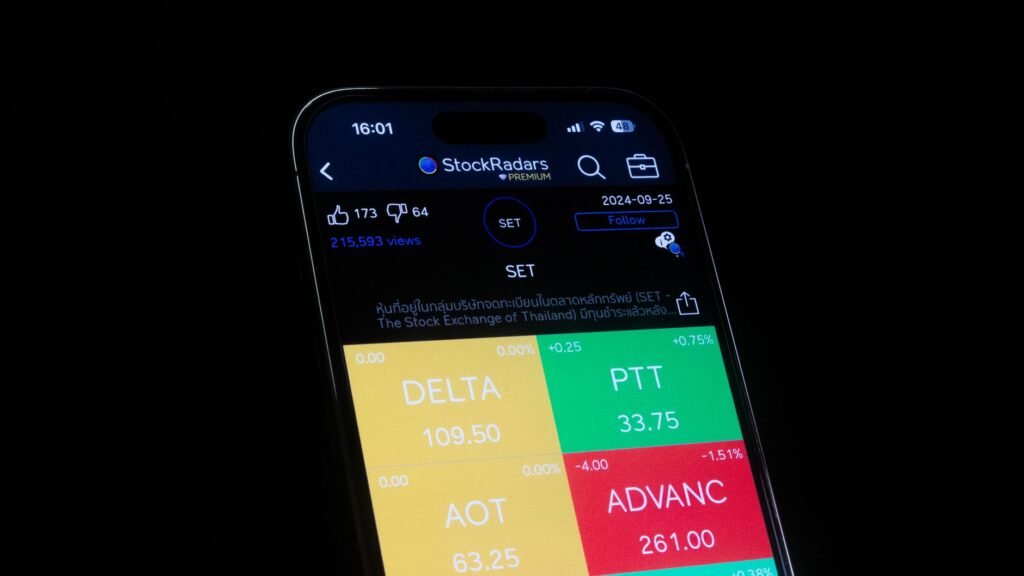

In the dynamic financial markets of 2026, where algorithmic trading, real-time data analysis, and diverse asset classes converge, a robust approach to self-assessment is more crucial than ever. This guide will provide a step-by-step framework for setting up and maintaining a trading journal, enabling traders to effectively track performance, identify recurring patterns, and systematically enhance their future decision-making.
Why a Trading Journal is Indispensable in 2026
The complexity of today’s markets, characterized by rapid information flow and sophisticated participants, demands a disciplined and analytical approach. While retail participation has seen significant growth in recent years, success often hinges on continuous learning and adaptation. A trading journal serves as an objective record of trading activities, transforming subjective experiences into actionable data.
The Evolving Market Landscape
By 2026, the financial landscape has continued its rapid evolution. Increased integration of AI in market analysis, the maturing digital asset ecosystem, and the ever-present influence of macroeconomic factors mean that market conditions can shift quickly. In this environment, relying solely on intuition or anecdotal memory can be detrimental. A journal provides the structure needed to navigate this complexity.
Core Benefits of Journaling
- Fostering Discipline: Consistent record-keeping encourages adherence to a trading plan and helps in recognizing deviations.
- Identifying Patterns: Over time, a journal reveals successful strategies, common pitfalls, and specific market conditions that favor particular approaches.
- Emotional Control: Documenting emotional states during trades helps traders understand how psychology impacts decisions, leading to improved self-regulation.
- Continuous Learning: It acts as a feedback loop, allowing for iterative refinement of strategies based on empirical data rather than speculative assumptions.
Choosing Your Trading Journal Format
The method chosen for journaling should align with a trader’s personal preference and technical comfort. Both digital and physical options offer distinct advantages.
Digital Solutions
Digital journals offer unparalleled analytical capabilities and ease of access. They are particularly well-suited for the data-rich trading environment of 2026.
- Spreadsheets (e.g., Excel, Google Sheets): These remain a popular choice due to their flexibility and cost-effectiveness. A well-designed spreadsheet can track numerous data points, calculate key performance metrics, and generate customizable charts. Many templates are available, and traders can tailor them precisely to their needs.
- Specialized Trading Journal Software/Platforms: The market for dedicated trading journal software has matured significantly. These platforms often offer advanced features such as automatic trade import from brokerage accounts, sophisticated analytics, visual performance dashboards, and integration with other trading tools. Some even incorporate AI-driven insights to highlight behavioral patterns or optimal trade setups. Examples include various online platforms designed specifically for traders seeking in-depth performance analysis.
Physical Notebooks
For traders who prefer a tactile experience and wish to minimize screen time, a physical notebook can be an effective, albeit less analytical, option.
- Advantages: Simplicity, a break from digital screens, and the immediate presence of handwritten notes. Some traders find the act of writing helps solidify their thoughts and reflections.
- Disadvantages: Lacks the automation and data analysis capabilities of digital solutions, making it more challenging to aggregate data for quantitative review.
Essential Elements to Track in Your Journal
Regardless of the chosen format, the value of a trading journal lies in the comprehensive and consistent data points recorded. A robust journal captures insights from every stage of a trade.
Pre-Trade Analysis
Before executing any trade, diligent planning is crucial. This section of the journal records the rationale and parameters of the intended trade.
- Date and Time: Precise timestamps for planning the trade.
- Asset: The specific financial instrument being traded (e.g., equity ticker, cryptocurrency pair, commodity future contract).
- Trade Idea/Thesis: The fundamental or technical reason for considering the trade. What is the expected catalyst? What market structure supports the idea?
- Entry Price: The intended price point for initiating the position.
- Target Price: The projected price level where the trade is expected to be exited for profit.
- Stop-Loss Level: The predetermined price point at which the trade will be exited to limit potential losses, reflecting the maximum acceptable risk.
- Risk-Reward Ratio: The calculated ratio of potential profit to potential loss.
- Position Sizing: The number of shares, contracts, or units to be traded, determined by capital management rules (e.g., risking no more than 1-2% of total capital per trade).
- Market Conditions/Catalysts: Broader market sentiment, relevant economic reports, sector-specific news, or technical indicators influencing the trade. By 2026, this might include references to AI-generated sentiment scores or predictive analytics.
During-Trade Observations
Capturing details during the active phase of a trade provides crucial insights into execution and decision-making under pressure.
- Exact Entry Date/Time and Price: The precise moment and price at which the order was filled.
- Order Type Used: Whether a market order, limit order, stop-limit order, or other advanced order types were employed.
- Emotional State: Briefly note feelings like confidence, hesitation, or excitement.
- Decision-Making Process: Any deviations from the initial plan, adjustments made, and the reasons behind those changes.
Post-Trade Review
The analysis after a trade is closed is arguably the most critical component of journaling, providing a learning opportunity regardless of the outcome.
- Exit Date/Time and Price: The exact moment and price at which the position was closed.
- Profit/Loss (P/L): The net gain or loss for the trade, expressed in both monetary value and percentage of capital risked.
- Lessons Learned: A candid assessment of what went well, what could have been improved, and any unexpected factors.
- Adherence to Plan: Evaluate whether the trade was executed according to the pre-defined plan. If not, analyze the reasons for deviation.
- Self-Reflection: Consider personal biases, discipline levels, and the emotional impact of the trade. Did fear or greed play a role?
- Market Context: How did the broader market or specific news (e.g., from AI-driven news aggregators) influence the trade’s outcome in hindsight?
Analyzing Your Journal for Performance Improvement
A well-maintained journal is a goldmine of data waiting to be analyzed. Regular review sessions are essential for translating raw data into actionable insights and strategic adjustments.
Quantitative Analysis
By aggregating the numerical data from trades, traders can gain a clear, objective understanding of their performance.
- Key Metrics: Calculate win rate (percentage of profitable trades), average win, average loss, and profit factor (gross profits divided by gross losses).
- Performance by Strategy: Analyze which trading strategies, asset classes, timeframes, or market conditions yield the best results. For example, by 2026, some traders might find specific strategies perform better during periods of heightened AI-driven market volatility versus calmer, data-driven trading sessions.
- Identifying Edge: Pinpoint consistent patterns that indicate a statistical advantage in certain situations.
Qualitative Analysis
Beyond the numbers, understanding the behavioral and psychological aspects of trading is paramount for long-term success.
- Emotional Triggers: Recognize recurring emotional responses to specific market events or trade outcomes.
- Behavioral Patterns: Identify tendencies such as prematurely exiting winning trades, holding losing trades too long, or revenge trading.
- Feedback Loop: Use reflections to refine trading rules, improve discipline, and adapt strategies based on experience.
Adapting to 2026 Trends
The trading journal in 2026 can be a powerful tool for navigating an increasingly data-intensive environment. While AI and sophisticated algorithms offer market insights, the human element of decision-making remains crucial. Journaling allows traders to compare their own decision processes against external analytical tools, fostering a deeper understanding of their personal strengths and weaknesses within a technologically advanced market. It helps in validating new approaches that might emerge from the continuous evolution of digital assets and derivatives markets, ensuring adaptability.
Conclusion
Setting up and diligently maintaining a trading journal is a fundamental practice for any trader aiming for consistent improvement. It serves as a personal mentor, offering an objective record of successes and failures, and highlighting areas for growth. While no journal can guarantee specific returns, consistent use of this tool can significantly enhance a trader’s self-awareness, discipline, and strategic capabilities in the ever-evolving financial markets. Remember, financial markets involve inherent risks, and individual outcomes based on experience, market conditions, and time invested can vary widely. A trading journal is not a magic bullet, but rather an invaluable component of a comprehensive approach to mastering the art of trading.
Disclaimer: This article is provided for general informational and educational purposes only and does not constitute financial, investment, trading, or legal advice. Gainsium is not a registered investment advisor. Markets are volatile and past performance does not guarantee future results. Readers should conduct their own research and consult a licensed financial advisor before making any investment decisions.