
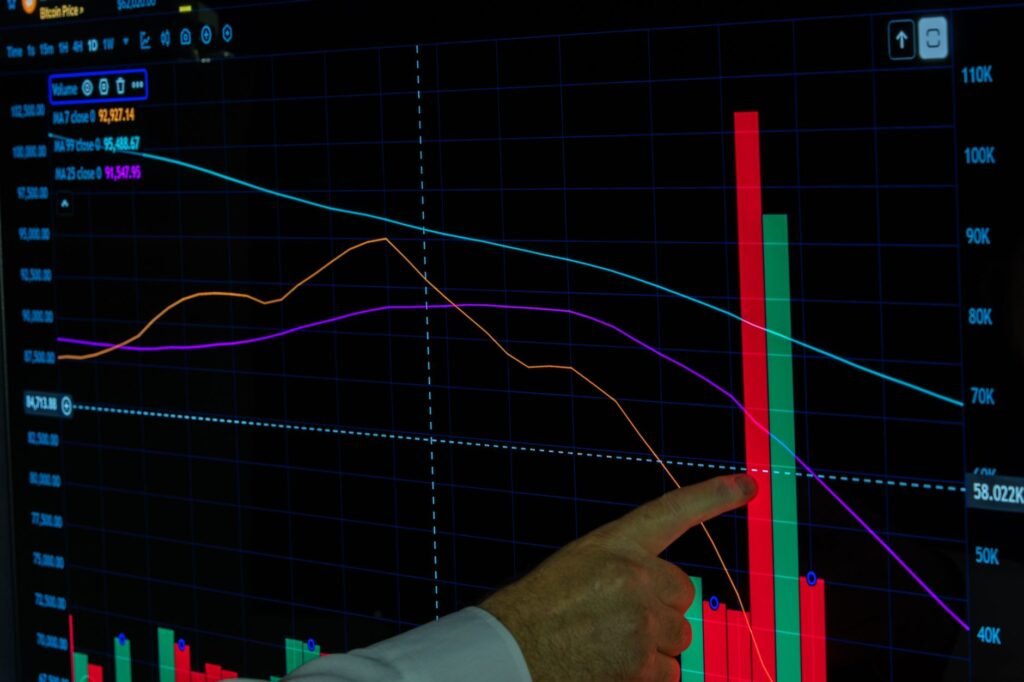

The world of financial markets offers various paths to engaging with capital, but few strategies are as distinct and often debated as day trading versus long-term investing. As we navigate 2026, understanding which approach aligns best with individual financial aspirations and risk tolerance is crucial. This article will delve into the core characteristics, potential rewards, and inherent risks of both day trading and long-term investing to help readers discern the path that may be more suitable for their journey.
Day Trading Explained
Day trading involves the frequent buying and selling of securities within the same trading day, with the goal of profiting from small price movements. Positions are typically opened and closed before the market closes, meaning day traders do not hold assets overnight. This strategy relies heavily on market volatility, rapid execution, and a deep understanding of technical analysis indicators.
Characteristics of Day Trading
- Short Time Horizon: Trades are typically executed within minutes or hours.
- Focus on Volatility: Day traders seek out instruments with significant price fluctuations to capitalize on intraday swings.
- Technical Analysis: Charts, patterns, and indicators are paramount for identifying entry and exit points.
- High Leverage Potential: Brokers often offer leverage, which can amplify both gains and losses.
- Significant Capital Requirement: In the U.S., the Pattern Day Trader (PDT) rule requires a minimum of $25,000 in equity to engage in more than three day trades within five business days in a margin account.
Risks and Rewards in Day Trading
The potential for rapid gains is a primary allure of day trading. A successful day trader can generate substantial returns on capital within a short period. However, this potential comes with equally significant risks. The vast majority of retail day traders struggle to achieve consistent profitability. High transaction costs, unexpected market shifts, and the intense psychological pressure of making split-second decisions contribute to the challenge. The use of leverage, while enhancing potential gains, can also lead to amplified losses, potentially exceeding initial capital.
Who is Day Trading For?
Day trading is generally suited for individuals who possess a high-risk tolerance, have a substantial amount of capital they can afford to lose, and are willing to dedicate significant time to market research and execution. It demands exceptional discipline, emotional control, and a strong understanding of market dynamics. This approach is often undertaken by experienced traders who have developed robust strategies and risk management protocols.
Long-Term Investing Explained
In contrast, long-term investing involves holding assets for an extended period, typically several years or even decades. The primary objective is capital appreciation through the long-term growth of underlying businesses or assets, rather than short-term price fluctuations. This strategy often relies on fundamental analysis and the power of compounding.
Characteristics of Long-Term Investing
- Extended Time Horizon: Investments are held for years, or even decades, allowing time for growth and recovery from market downturns.
- Focus on Fundamentals: Investors typically analyze a company’s financial health, management, industry position, and growth prospects.
- Compounding Returns: Reinvesting earnings or dividends allows returns to generate further returns, accelerating wealth accumulation over time.
- Diversification: Spreading investments across various asset classes, industries, and geographies is a common strategy to mitigate risk.
- Less Active Management: Once an investment is made, it typically requires less frequent monitoring than day trading.
Risks and Rewards in Long-Term Investing
The potential rewards of long-term investing often come from the power of compounding and the general upward trend of well-managed economies and markets over extended periods. Historically, equity markets have demonstrated an ability to deliver significant returns to patient investors. This approach generally involves lower transaction costs and can be more tax-efficient, especially when assets are held for more than a year to qualify for long-term capital gains tax rates.
However, long-term investing is not without risks. Market downturns, economic recessions, and unforeseen events can lead to significant unrealized losses in the short to medium term. Inflation can erode the purchasing power of returns if they do not outpace the rate of rising prices. The risk of selecting underperforming assets or industries also exists, though diversification aims to mitigate this.
Who is Long-Term Investing For?
Long-term investing is typically suitable for individuals with a moderate to low-risk tolerance, who prioritize steady wealth accumulation over immediate gains, and who have a long investment horizon. It is often favored by those saving for retirement, a child’s education, or other significant future financial goals. This strategy requires patience, a belief in market resilience, and the ability to ride out market volatility without making rash decisions.
Key Differences and Considerations for 2026
Choosing between day trading and long-term investing requires a clear understanding of your personal financial situation, psychological makeup, and market outlook. Here are critical factors to consider, particularly in the context of 2026:
Market Dynamics in 2026
As we observe markets in 2026, several widely reported trends continue to shape the financial landscape. Persistent inflation concerns and central bank interest rate policies continue to influence bond yields and equity valuations. The rapid advancements and integration of artificial intelligence (AI) are creating both opportunities and disruptions across various sectors, impacting corporate earnings and market leadership. Geopolitical tensions and evolving global supply chain dynamics also contribute to market volatility, which can present opportunities for day traders but also require resilience from long-term investors.
Time Horizon and Capital Commitment
The most fundamental difference lies in the time horizon. Day trading demands constant attention during market hours and requires significant liquid capital to manage positions effectively and meet regulatory requirements. Long-term investing, conversely, allows for a more hands-off approach after initial research and portfolio construction, though periodic rebalancing and review are still advisable. It can often be started with smaller, consistent contributions over time.
Emotional Discipline and Knowledge
Both strategies demand emotional discipline, but in different ways. Day traders must be able to make rapid, unemotional decisions and adhere strictly to their trading plan, accepting losses quickly to preserve capital. Long-term investors need the patience to weather market downturns without panic selling and the conviction to stick with their strategy through periods of underperformance. The knowledge required also differs: day trading leans heavily on technical analysis and market microstructure, while long-term investing focuses more on fundamental analysis, macroeconomics, and strategic asset allocation.
Making Your Choice
Ultimately, the choice between day trading and long-term investing is a deeply personal one. There is no universally
Disclaimer: This article is provided for general informational and educational purposes only and does not constitute financial, investment, trading, or legal advice. Gainsium is not a registered investment advisor. Markets are volatile and past performance does not guarantee future results. Readers should conduct their own research and consult a licensed financial advisor before making any investment decisions.