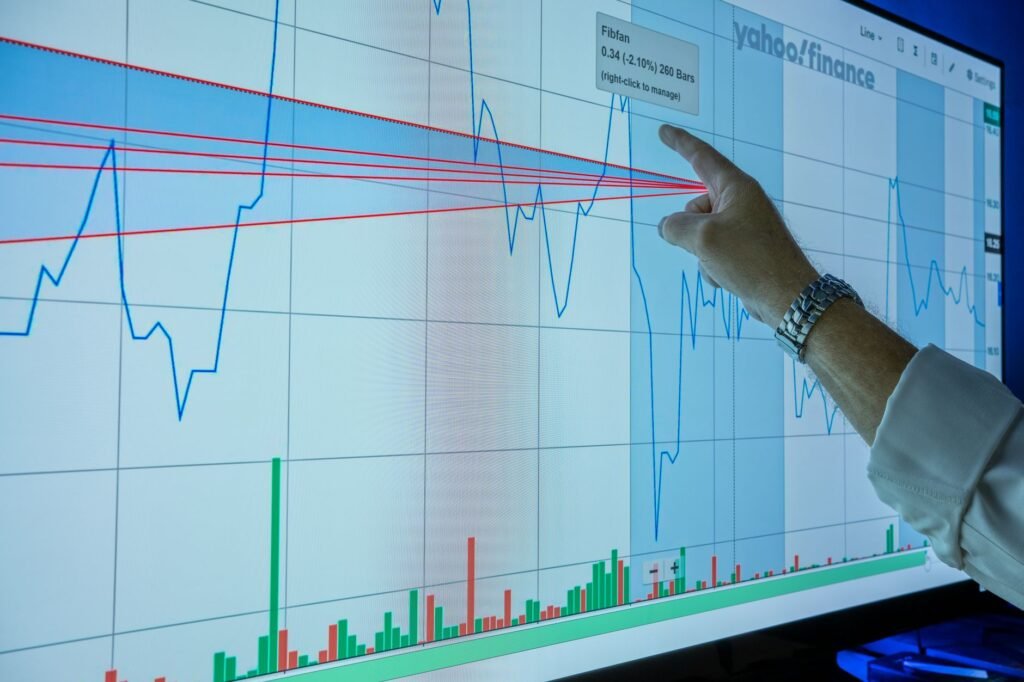

In the dynamic financial landscape of 2026, understanding and anticipating market movements is more critical than ever. This guide explores how investors can leverage artificial intelligence (AI) and machine learning (ML) tools to perform predictive analytics for identifying and forecasting potential market trends. By harnessing the power of advanced algorithms, individuals and institutions alike can gain deeper insights into market behavior, transforming vast amounts of data into actionable intelligence for more informed decision-making.
The Power of AI in Market Analysis
Predictive analytics, at its core, involves using historical data, statistical algorithms, and machine learning techniques to identify the likelihood of future outcomes based on past patterns. In the realm of market trend forecasting, this means analyzing historical price data, economic indicators, news sentiment, and other relevant information to anticipate future shifts in asset prices, sector performance, or broader market direction.
Why AI for Market Trends in 2026?
The year 2026 is characterized by unprecedented data proliferation and increasingly interconnected global markets. Traditional analytical methods often struggle to process the sheer volume and velocity of information available, from macroeconomic reports and corporate earnings to social media sentiment and geopolitical developments. AI and machine learning algorithms excel at sifting through this ‘big data,’ identifying complex, non-obvious patterns and correlations that human analysts might miss. This capability becomes particularly valuable in an environment where market participants seek any edge to navigate volatility and capitalize on emerging opportunities.
Core AI/ML Techniques for Trend Identification
Several AI and machine learning techniques are particularly effective for market trend forecasting. Each offers a unique approach to processing data and identifying predictive signals.
Machine Learning Algorithms
- Regression Models: These are often employed for predicting continuous outcomes, such as future asset prices or economic growth rates, based on various input features. While not guaranteeing specific price points, they can indicate potential directional movements.
- Classification Algorithms: Useful for predicting discrete outcomes, such as whether a market or stock will go up, down, or remain stable. These models can help in identifying bullish or bearish trends.
- Clustering Algorithms: These algorithms group similar data points together, which can be applied to identify market segments that behave similarly or to categorize different types of market events.
Neural Networks and Deep Learning
Neural networks, especially deep learning architectures, are particularly adept at handling complex, non-linear relationships within financial data. They can learn intricate patterns from time-series data, making them powerful tools for forecasting stock prices, volatility, and other market indicators. Their ability to process raw data, such as images or raw text, also opens doors for more advanced analysis.
Natural Language Processing (NLP)
NLP is a branch of AI that enables computers to understand, interpret, and generate human language. In financial markets, NLP is invaluable for:
- Sentiment Analysis: Scanning news articles, social media feeds, analyst reports, and corporate communications to gauge market sentiment towards specific assets, sectors, or the broader economy. Shifts in sentiment can often precede market movements.
- Event Detection: Identifying and categorizing significant geopolitical events, policy changes, or company-specific news that could impact market trends.
- Thematic Analysis: Uncovering emerging themes or narratives within vast amounts of unstructured text data that might signal upcoming shifts in investor focus.
Essential Data Sources for AI Models
The effectiveness of any AI model is directly tied to the quality and relevance of the data it’s trained on. For market trend forecasting, a comprehensive approach often involves integrating diverse data types.
Quantitative Data
- Historical Price and Volume Data: Essential for identifying technical patterns, volatility, and liquidity.
- Economic Indicators: Data points such as inflation rates, GDP growth, employment figures, interest rates, and consumer confidence provide context for macroeconomic trends.
- Company Financials: Earnings reports, balance sheets, and cash flow statements offer insights into corporate health and valuation.
- Derivatives Data: Options and futures data can reveal market expectations for future price movements and volatility.
Qualitative Data
Leveraging NLP, qualitative data provides a rich, often forward-looking dimension:
- News Feeds and Media Reports: Real-time and historical news analysis can uncover market-moving events and narratives.
- Social Media Data: Platforms like X (formerly Twitter) and Reddit can offer early signals of shifting retail investor sentiment or emerging topics of discussion.
- Analyst Reports and Research: Insights from professional analysts can be aggregated and analyzed for consensus views or divergent opinions.
- Government Policy Announcements: Regulatory changes or new legislative initiatives can significantly impact various sectors and the overall market.
Building and Implementing AI Models for Forecasting
Developing and deploying AI models for market trend forecasting involves several critical stages, each requiring careful attention to detail.
Defining Objectives and Data Collection
Before any model is built, it is crucial to clearly define what specific trends or market behaviors the AI aims to predict. This could range from forecasting a broad market index’s direction to identifying potential shifts in a particular commodity price. Once objectives are set, the rigorous process of collecting, cleaning, and preparing high-quality, relevant data begins. Data hygiene is paramount, as
Disclaimer: This article is provided for general informational and educational purposes only and does not constitute financial, investment, trading, or legal advice. Gainsium is not a registered investment advisor. Markets are volatile and past performance does not guarantee future results. Readers should conduct their own research and consult a licensed financial advisor before making any investment decisions.