
As 2026 unfolds, many investors are considering strategies to protect their purchasing power amidst ongoing economic shifts and potential inflationary pressures. Gold has long been regarded as a traditional store of value, often viewed as a potential hedge against inflation. This article explores the historical relationship between gold and inflation, detailing how investors might consider incorporating physical gold or gold-backed assets into a broader inflation hedging strategy today.
Gold’s Enduring Role: A Historical Perspective on Inflation Hedges
Inflation, characterized by the erosion of purchasing power over time, is a persistent concern for individuals and economies worldwide. When the cost of goods and services rises, the value of a currency decreases, making it crucial for investors to seek assets that can maintain or even increase their value during such periods. Gold, unlike fiat currencies, is finite in supply and possesses intrinsic value derived from its physical properties and historical significance as a medium of exchange and a symbol of wealth.
Gold Through Eras of Rising Prices
Historically, gold has demonstrated a tendency to perform well during periods of high inflation, though its correlation is not always immediate or perfect. For instance, during the high inflation years of the 1970s, gold prices saw significant appreciation. Similarly, in the wake of various economic stimuli and supply chain disruptions that contributed to inflationary concerns in the early 2020s, many observers noted renewed interest in gold as a safeguard. The underlying mechanism is often explained by gold’s status as a tangible asset. When confidence in paper money or financial systems wanes due to rising prices or economic uncertainty, investors often gravitate towards assets perceived as safe havens.
This historical pattern suggests that as the value of currency diminishes, the relatively fixed supply of gold makes it appear more valuable in monetary terms. It’s not that gold itself becomes inherently more useful, but rather that its price in depreciating currencies tends to rise, helping to preserve capital.
Gold’s Role in the 2026 Economic Climate
In 2026, the global economic landscape continues to present a complex picture, marked by varying inflation dynamics across different regions, evolving central bank monetary policies, and geopolitical considerations. These factors collectively contribute to an environment where traditional hedges like gold can remain relevant for diversification purposes within a portfolio.
Despite the proliferation of new asset classes and digital alternatives, gold’s fundamental characteristics—its scarcity, universal acceptance, and lack of counterparty risk in its physical form—continue to appeal to investors seeking stability. Central banks globally have also been widely reported to maintain significant gold reserves, often increasing holdings during times of economic uncertainty, further underscoring its perceived importance in the financial system.
Market Dynamics Influencing Gold in 2026
Several market dynamics are observed to influence gold’s appeal in 2026. These include ongoing debates around interest rate trajectories by major central banks, which can impact the opportunity cost of holding non-yielding assets like gold. Additionally, geopolitical events and broad investor sentiment regarding future economic growth versus potential slowdowns are consistently watched factors. While some market analysts may offer forecasts regarding gold’s price trajectory, it is widely understood that such predictions are inherently speculative and subject to numerous variables, highlighting the importance of focusing on gold’s role as a portfolio component rather than a short-term trading vehicle.
Incorporating Gold into an Inflation Hedging Strategy
When considering gold for an inflation hedging strategy, it is important to view it as a potential diversifier and a component that helps preserve purchasing power, rather than a primary growth asset. Investors have several avenues for gaining exposure to gold, each with its own characteristics.
Physical Gold: Direct Ownership
Direct ownership of physical gold is one of the most straightforward ways to obtain exposure. This approach offers tangible security, as the asset is held directly by the investor.
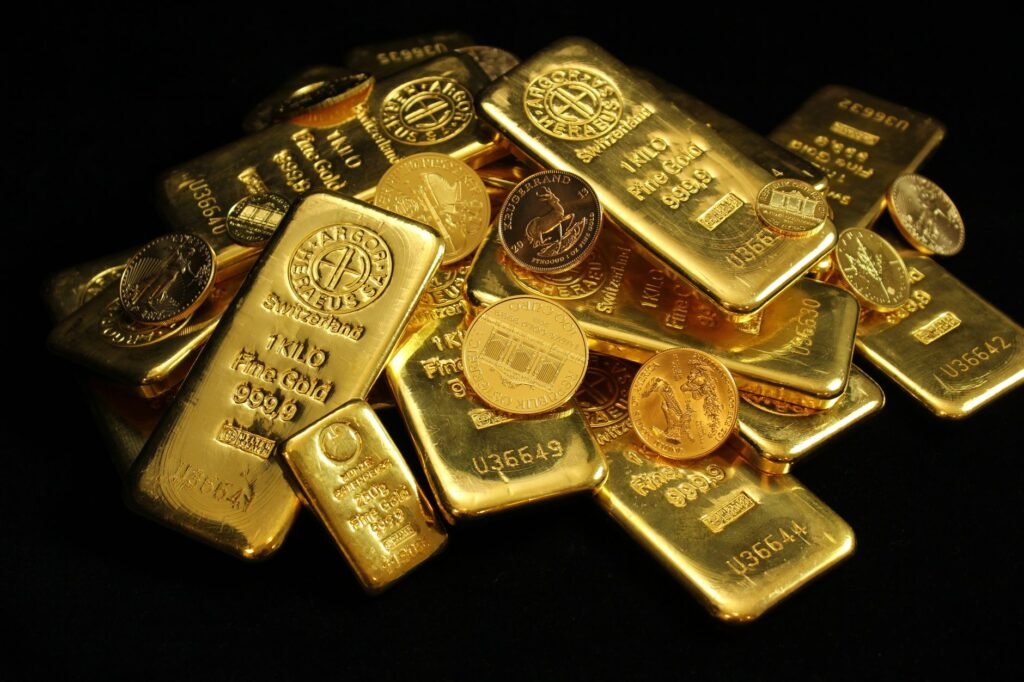
- Gold Bullion (Bars and Coins): Investing in gold bars or government-issued gold coins (like American Eagles or Canadian Maple Leafs) provides direct exposure to the metal’s spot price. This method offers the benefit of owning a physical asset with no counterparty risk. However, it requires careful consideration of secure storage, which may incur costs (e.g., safety deposit boxes or specialized vault services), and insurance.
- Numismatic Coins: These are collector’s coins whose value is often determined by rarity, historical significance, and condition, in addition to their gold content. While they can appreciate, their value may not always correlate directly with the spot price of gold, and their liquidity can be lower than bullion.
Gold-Backed Financial Instruments: Indirect Exposure
For investors seeking convenience, liquidity, or a more diversified approach, several financial instruments offer indirect exposure to gold prices.
- Gold Exchange-Traded Funds (ETFs): Gold ETFs are popular instruments that typically track the price of gold, with the fund holding physical gold or gold derivatives. They offer high liquidity, ease of trading on stock exchanges, and eliminate the need for personal storage. Investors should review the ETF’s expense ratio and the mechanism by which it tracks gold prices.
- Gold Mining Stocks: Investing in shares of gold mining companies provides exposure to gold prices, but also introduces equity-specific risks related to the company’s operational efficiency, management, geopolitical risks in mining regions, and overall market sentiment for stocks. While mining stocks can offer leveraged returns if gold prices rise, they may not always move in lockstep with the metal itself.
- Gold Futures and Options: These derivative contracts allow experienced investors to speculate on the future price of gold. They offer significant leverage but also come with substantial risk and are generally not recommended for passive, long-term inflation hedging strategies for most individual investors.
Considerations for Integration
When incorporating gold into a portfolio, several factors warrant consideration. Asset allocation is a key decision; the percentage of a portfolio dedicated to gold often varies based on an individual’s financial objectives, risk tolerance, and prevailing economic outlook. Historically, a modest allocation, such as 5% to 10%, is sometimes discussed among investors seeking diversification benefits.
It is also important to adopt a long-term perspective. Gold’s role as an inflation hedge and diversifier is typically realized over extended periods, and its price can experience short-term volatility. Furthermore, gold is but one tool in the arsenal of inflation hedging; other strategies might include Treasury Inflation-Protected Securities (TIPS), real estate, or certain commodities, each with its own advantages and drawbacks.
Ultimately, gold has historically demonstrated its potential to act as a store of value and a hedge against inflation, particularly during periods of economic uncertainty and currency devaluation. In 2026, with global economies continuing to navigate complex landscapes, gold’s appeal as a tangible asset and diversifier remains relevant. Any decision to include gold in an investment strategy should align with an individual’s overall financial goals and risk profile, potentially involving a thoughtful mix of direct and indirect approaches to gold exposure.
Disclaimer: This article is provided for general informational and educational purposes only and does not constitute financial, investment, trading, or legal advice. Gainsium is not a registered investment advisor. Markets are volatile and past performance does not guarantee future results. Readers should conduct their own research and consult a licensed financial advisor before making any investment decisions.