
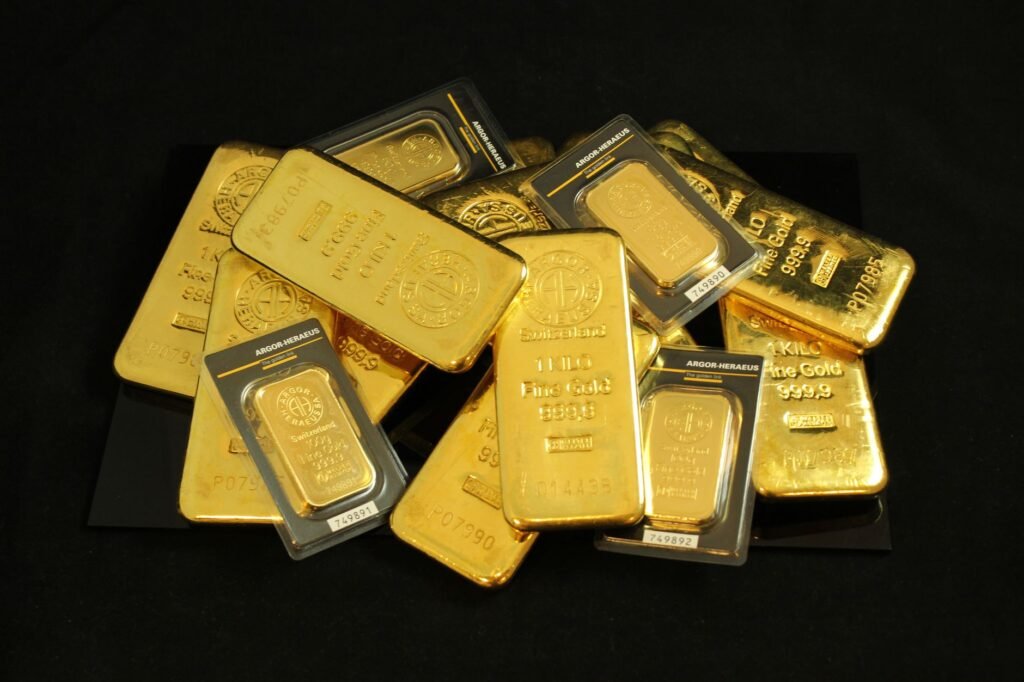

In 2026, central bank gold reserves continue to play a crucial role in influencing global financial stability, acting as a strategic asset for nations navigating economic uncertainties and geopolitical shifts. These substantial holdings provide a bedrock of trust in national currencies, offer a hedge against inflation and market volatility, and serve as a critical component of reserve diversification strategies worldwide. Understanding the multifaceted impact of central banks’ gold positions is essential for comprehending the broader mechanisms that underpin the global economic landscape.
The Enduring Role of Gold in Central Banking
The historical significance of gold within financial systems has laid the groundwork for its current standing in 2026. For centuries, gold served as the ultimate monetary anchor, providing a tangible measure of value that transcended borders and political changes. While the direct convertibility of currencies to gold is no longer the norm, its legacy as a trustworthy asset persists.
Historical Context: Gold Standard and Bretton Woods
The gold standard, a system where the value of a currency was directly linked to gold, defined monetary policy for extended periods. This framework, though eventually abandoned, instilled gold with an inherent perception of stability and reliability. Later, the Bretton Woods agreement, which pegged the U.S. dollar to gold and other currencies to the dollar, reinforced gold’s central role, even as it marked a transition towards a more fiat-based global system. The eventual breakdown of Bretton Woods did not diminish gold’s allure; instead, it ushered in an era where central banks continued to hold gold as a strategic reserve, recognizing its unique properties independent of fixed exchange rates.
Gold as a Strategic Reserve in 2026
Today, central banks maintain significant gold reserves for a combination of reasons that directly contribute to financial stability. These reasons are often amplified in times of global economic stress or geopolitical tension, which remain relevant considerations in 2026.
- Diversification and Risk Management: Gold offers a valuable tool for diversifying official reserves, which traditionally comprise major foreign currencies and government bonds. In 2026, with persistent global economic complexities, central banks seek to mitigate risks associated with specific currency fluctuations or sovereign credit concerns by holding a non-fiat asset like gold.
- Store of Value and Inflation Hedge: Historically, gold has demonstrated its capacity as a store of value, often retaining its purchasing power during periods when fiat currencies might be eroded by inflation. This characteristic makes it an attractive asset for central banks aiming to preserve the value of their national wealth over the long term, especially in an environment where inflationary pressures can resurface.
- Geopolitical Buffer: In 2026, geopolitical uncertainties and trade disputes continue to influence international relations. Gold, being a universally accepted and unencumbered asset, can act as a neutral reserve asset, potentially providing a degree of financial autonomy and reducing reliance on specific foreign currencies or financial systems that might be subject to political influence.
Impact on Global Financial Stability and the Economy
The collective actions and holdings of central banks concerning gold have tangible effects on the global financial system and national economies.
Enhancing Trust and Currency Stability
A central bank’s substantial gold holdings can bolster confidence in a nation’s financial strength and the stability of its currency. While not directly backing currency in the modern sense, the presence of gold reserves can serve as a psychological assurance for both domestic and international investors. This trust can contribute to lower borrowing costs for governments and a more stable exchange rate environment, both vital for economic health. In times of crisis, a strong gold reserve can be perceived as a sign of resilience, potentially mitigating capital flight and currency depreciation pressures.
Liquidity Management and Crisis Response
Although typically not the primary source of day-to-day liquidity, gold can become a critical asset during extreme financial crises. In scenarios where traditional financial markets are impaired, or access to foreign currency liquidity is restricted, gold can, in theory, be monetized or used as collateral to secure emergency funding. This potential, even if rarely actualized, adds a layer of robustness to a nation’s financial defense mechanisms.
Market Influence and Investor Sentiment
Central bank gold activity, such as significant purchases or sales, can send powerful signals to the broader market, influencing investor sentiment and demand for gold. While central banks generally aim for discretion, their cumulative actions in 2026 contribute to gold’s overall supply and demand dynamics. Periods of increased central bank gold accumulation can underscore its perceived value as a safe-haven asset, potentially encouraging private investors to also consider its role in their portfolios. Conversely, substantial sales, though rare in recent times, could indicate a shift in monetary policy or economic outlook, potentially affecting gold prices and broader market perceptions of risk.
Challenges and Future Outlook
The role of central bank gold reserves in 2026 is not without its complexities and evolving considerations.
Supply and Demand Dynamics
The global gold market is influenced by various factors, including mining output, jewelry demand, industrial use, and investment demand. Central bank activity adds another significant layer to this equation. In 2026, if central banks continue their trend of net purchases observed in previous years, this sustained institutional demand could exert upward pressure on prices, reflecting a collective judgment on gold’s ongoing relevance as a reserve asset. However, the market’s overall equilibrium is sensitive to shifts across all demand sectors.
Policy Considerations and Modern Monetary Theory
Central bankers must continually weigh the benefits of holding gold against alternative reserve assets, considering factors like yield, storage costs, and convertibility. While some economic theories, like certain interpretations of Modern Monetary Theory, might downplay the need for gold in a sovereign currency system, the practical realities of international finance and risk management keep gold firmly on the balance sheets of many central banks. The debate surrounding its optimal role in monetary policy remains dynamic, with pragmatism often dictating continued adherence to gold as a prudent component of diverse reserves.
In conclusion, central bank gold reserves in 2026 remain a significant pillar of global financial stability. By offering diversification, acting as a reliable store of value, and instilling confidence, these holdings help nations navigate an often unpredictable economic landscape. Their continued relevance underscores gold’s enduring appeal as a foundational asset in the international monetary system, shaping perceptions of financial strength and contributing to overall economic resilience.
Disclaimer: This article is provided for general informational and educational purposes only and does not constitute financial, investment, trading, or legal advice. Gainsium is not a registered investment advisor. Markets are volatile and past performance does not guarantee future results. Readers should conduct their own research and consult a licensed financial advisor before making any investment decisions.