
Understanding market dynamics is paramount for informed trading decisions. In 2026, as markets continue to evolve with increased algorithmic influence and sector-specific volatility, tools that offer deep insights into price action and liquidity are more valuable than ever. This guide explains how advanced traders can leverage volume profile analysis to identify key support and resistance levels, and ultimately make more strategic decisions in the current market environment.
What is Volume Profile?
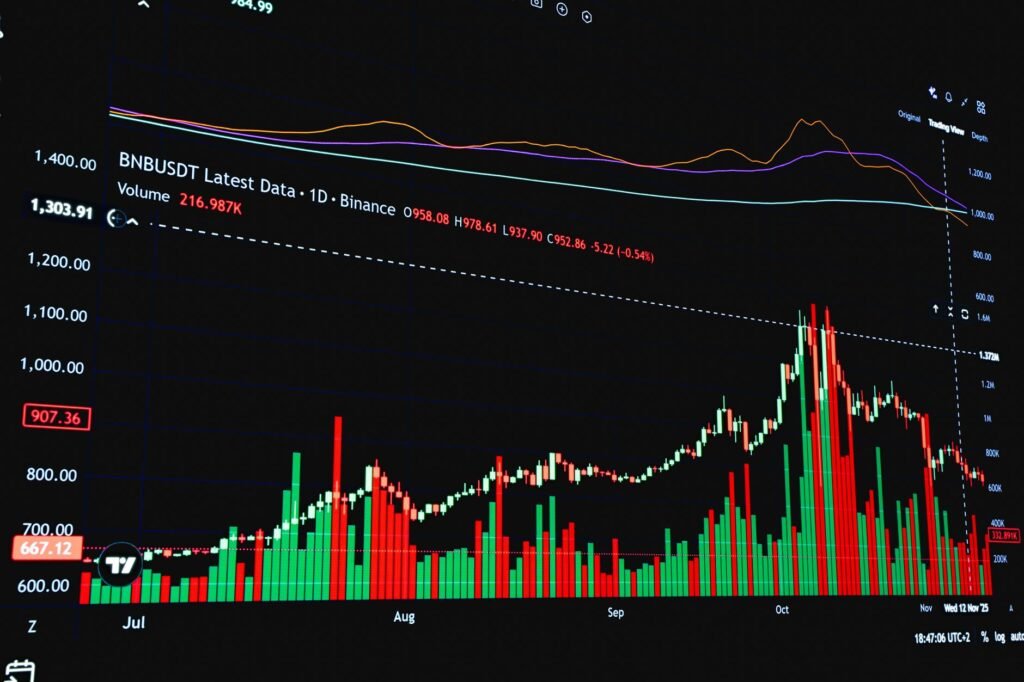
Volume Profile is an advanced charting tool that displays trading activity over a specified period at particular price levels. Unlike traditional volume bars, which show total volume traded over time (vertically), Volume Profile displays the total volume traded at each individual price level (horizontally). This unique visualization allows traders to see exactly where the most significant buying and selling activity occurred, rather than just when it occurred.
By aggregating volume data across price points, Volume Profile paints a clearer picture of market structure. It highlights areas where price has spent the most time and attracted the most interest from market participants, revealing zones of agreement (where many transactions occurred) and disagreement (where price moved quickly due to lack of interest).
Key Components of Volume Profile
Value Area (VA)
The Value Area (VA) represents the price range where the majority of trading volume occurred during a specified period, typically encompassing around 70% of the total volume. This zone is considered the
Disclaimer: This article is provided for general informational and educational purposes only and does not constitute financial, investment, trading, or legal advice. Gainsium is not a registered investment advisor. Markets are volatile and past performance does not guarantee future results. Readers should conduct their own research and consult a licensed financial advisor before making any investment decisions.