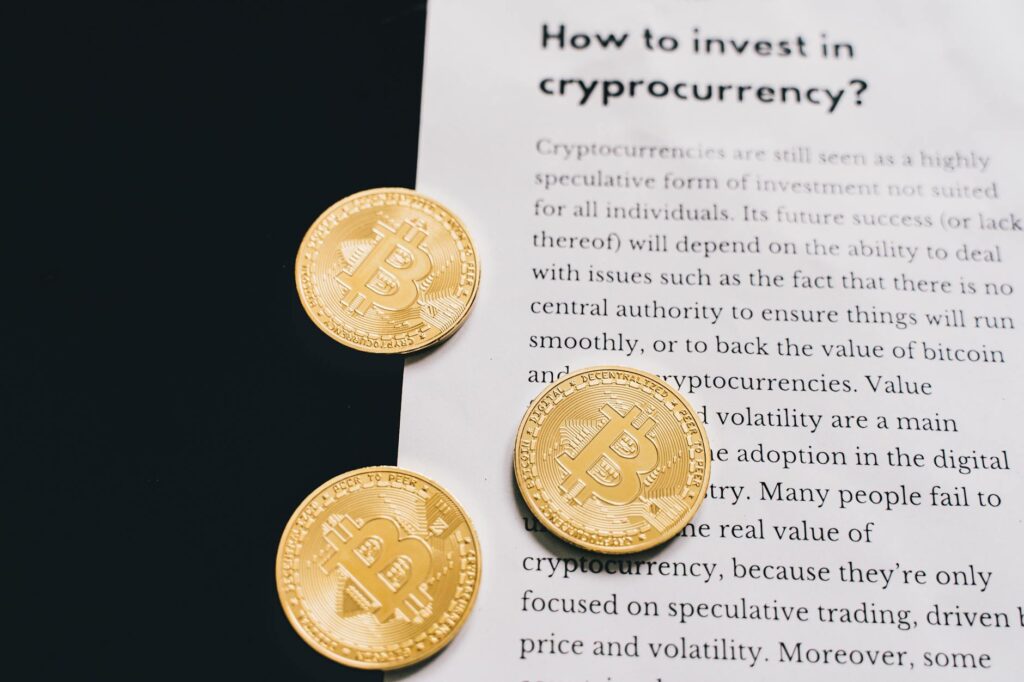

Introduction: Navigating the 2026 Financial Landscape
As we navigate through 2026, the financial landscape has evolved significantly. With AI-driven market analytics now commonplace and a global economy shaped by rapid digital transformation, the barriers to entry for new investors have never been lower. However, the abundance of information can be overwhelming. Whether you are looking to build a retirement nest egg or simply want your savings to outpace inflation, understanding the fundamentals of investing is the most important step you can take toward financial freedom.
Understanding Your Investment Vehicle Options
Before putting your capital to work, you must understand the assets available to you. In 2026, the strategy remains rooted in diversification, but the tools are more refined.
Stocks and Equities
Buying a stock means owning a slice of a company. In the 2026 market, technology and green energy sectors continue to lead growth, but volatility remains a factor. When you buy stocks, you are betting on the company’s long-term ability to generate profit.
Bonds and Fixed Income
Bonds are essentially loans you provide to a government or corporation. In the current interest rate environment of 2026, bonds have regained their status as essential stabilizers in a portfolio, providing predictable cash flow that offsets stock market turbulence.
ETFs and Mutual Funds
For most beginners, Exchange-Traded Funds (ETFs) are the gold standard. These funds bundle hundreds or thousands of stocks together, allowing you to achieve instant diversification. By investing in an S&P 500 index fund, you are effectively buying a small stake in the 500 largest companies in the US, spreading your risk across multiple sectors.
How to Launch Your Portfolio: A Step-by-Step Guide
Opening your first investment account is a straightforward process, but it requires careful selection of the right platform. Follow these steps to get started:
- Define your financial goals: Are you saving for a home, retirement, or general wealth building? Knowing your ‘why’ will determine your timeline.
- Choose a reputable brokerage: Look for platforms that offer zero-commission trading, intuitive mobile apps, and robust educational resources. In 2026, ensure your broker offers fractional shares, which allow you to start with as little as $1.
- Complete the identity verification: Thanks to advanced identity security, most modern brokerages can verify your identity within minutes using biometric or document scanning.
- Fund your account: Link your bank account and consider setting up an automated transfer. Dollar-cost averaging (DCA)—investing a set amount every month—is the most reliable way to build wealth regardless of short-term market swings.
- Select your first assets: If you are unsure where to start, begin with a broad-market index ETF. It is low-cost, effective, and perfect for long-term growth.
Mastering Risk Management and Psychology
The greatest risk in 2026 is not the market itself, but the investor’s reaction to it. Market dips are an inevitable part of the cycle. Effective risk management involves three core pillars:
1. Asset Allocation
Do not put all your eggs in one basket. A balanced portfolio might hold 70% in stocks and 30% in bonds. Adjust this ratio based on your age and risk tolerance.
2. The Long-Term Perspective
History shows that the market trends upward over long horizons. By focusing on 5, 10, or 20-year goals, you remove the emotional distress caused by daily news cycles or minor market corrections.
3. Emergency Fund Priority
Before you invest a single dollar, ensure you have an emergency fund covering 3–6 months of living expenses. Never invest money that you might need in the next 12 to 24 months, as a sudden downturn could force you to sell your assets at a loss.
Conclusion: Your Wealth-Building Journey Starts Today
Investing in 2026 is about consistency, discipline, and utilizing the powerful tools at your disposal. By focusing on low-cost ETFs, maintaining a long-term mindset, and automating your contributions, you remove the complexity that keeps so many people on the sidelines. Remember, the ‘best’ time to invest was yesterday, but the second-best time is today. Take the first step by opening your brokerage account and start the compounding process—your future self will thank you.